Month: April 2026
Why Some Women Feel Emotionally Flat After Birth

After birth, most conversations focus on extremes.
Postpartum depression.
Postpartum anxiety.
Overwhelm.
But there is another experience that many women struggle to explain.
Not sadness.Not anxiety.
Just… nothing.
A sense of emotional flatness.
A lack of reaction.
A muted response to moments that are expected to feel meaningful.
For some women, this can feel more unsettling than distress itself.
Quick Answer
Emotional flatness after birth is often linked to rapid hormonal changes, neurological shifts, sleep deprivation, and cognitive overload. Unlike postpartum depression, it may not involve sadness, but instead a reduced emotional response or numbness. It can be temporary, but persistent symptoms should be assessed by a healthcare provider.
What Does “Emotionally Flat” Actually Mean?
Emotional flatness is not always easy to describe.
Women often report:
• feeling disconnected from their emotions
• reduced excitement or joy
• lack of emotional reaction to milestones
• difficulty bonding in the way they expected
• a sense of detachment from themselves
This is not the same as depression.
It is not always distressing in an obvious way.
But it can feel deeply unfamiliar.
Why Does This Happen After Birth?
Postpartum is one of the most intense biological transitions the body goes through.
It involves:
• rapid hormone withdrawal
• neurological adaptation
• physical recovery
• sleep disruption
• identity shift
These changes do not always result in visible emotional distress.
Sometimes, they result in reduced emotional intensity.
What happens to hormones after birth?
After delivery, estrogen and progesterone levels drop rapidly.
This hormonal shift is one of the most abrupt in human physiology.
Estrogen, in particular, plays a role in:
• mood regulation
• serotonin activity
• cognitive function
When levels fall suddenly, the brain must recalibrate.
This can result in:
• emotional blunting
• reduced responsiveness
• cognitive fatigue
For some women, this feels like emotional “flatness” rather than sadness.
How does the brain respond to postpartum changes?
The brain does not return to pre-pregnancy function immediately.
Research suggests that postpartum brain changes affect:
• emotional processing
• reward pathways
• attention
• memory
The brain is adapting to:
• infant cues
• sleep fragmentation
• constant vigilance
This can shift energy toward function rather than emotional experience.
In practical terms, the brain prioritizes:
“keeping the baby safe” over “feeling emotionally engaged”
Looking for real, verified information in women’s health?
Join Sistapedia® and access trusted voices across every stage of the reproductive lifecycle.
Why doesn’t this get talked about?
Postpartum narratives are often simplified.
You are expected to feel:
• overwhelmed
or
• deeply in love
There is very little language for neutral or muted emotional states.
As a result:
• women do not recognize the experience
• clinicians may not ask about it
• support conversations miss it entirely
This creates confusion.
Is emotional flatness a sign of depression?
Not always.
But it can overlap.
Postpartum depression may include:
• persistent low mood
• hopelessness
• withdrawal
• loss of interest
Emotional flatness may exist on its own or as part of a broader pattern.
The key distinction is:
Flatness = reduced emotional response
Depression = negative emotional state
However, both should be taken seriously.
Can sleep deprivation cause emotional numbness?
Yes.
Sleep disruption is one of the most underestimated drivers of emotional change postpartum.
Lack of sleep affects:
• emotional regulation
• cognitive processing
• stress response
• reward sensitivity
When sleep is fragmented:
• emotional highs and lows can flatten
• responsiveness decreases
• motivation drops
This can contribute significantly to emotional flatness.
What most women are not told
Postpartum recovery is often framed as physical.
But neurological and emotional recovery takes longer.
Women are not always told that:
• emotional shifts can feel neutral, not negative
• bonding is not always immediate
• emotional connection can develop over time
• numbness can be part of adaptation
This gap in understanding leads many women to question themselves unnecessarily.
When should you be concerned?
Emotional flatness should be assessed if it:
• persists beyond several weeks
• worsens over time
• interferes with bonding or daily function
• coexists with anxiety or low mood
• leads to withdrawal or disconnection
Healthcare providers assess postpartum mental health using:
• symptom patterns
• duration
• functional impact
Early support improves outcomes.
What helps support emotional recovery?
There is no single solution, but several factors support recovery:
Sleep support
Even small improvements in sleep can impact emotional regulation.
Social support
Connection reduces isolation and normalizes experiences.
Medical review
Hormonal and mental health support may be appropriate.
Reducing cognitive load
Postpartum mental overload contributes to emotional fatigue.
Frequently Asked Questions
Is it normal to feel emotionally numb after birth?
It can occur as part of postpartum adjustment, especially due to hormonal and neurological changes.
Does this mean I’m not bonding with my baby?
Not necessarily. Bonding can develop gradually and does not always follow a specific timeline.
How long does emotional flatness last?
It varies. Some women notice improvement within weeks, others may need additional support.
Should I speak to a doctor?
Yes, especially if symptoms persist or affect daily functioning.
The Bigger Picture
Postpartum is not just a recovery phase.
It is a complete system reset.
Hormones shift.
The brain adapts.
Identity changes.
Emotional experiences during this time are not always intense or dramatic.
Sometimes they are quiet.
Flat.
Subtle.
But still important.
Understanding this expands the definition of postpartum mental health beyond extremes.
Join Sistapedia®.
Become an AI-verified Sista, identified with a Pink Tick that signals a real, trusted human voice in women’s health.
If you are a:
• Medical Doctor (MD)
• Registered Nurse (RN)
• Healthcare Practitioner
• Expert
Apply for Crown Verification on Sistapedia to be recognised as a verified authority.
If you are a Product or Brand in women’s health:
Crown Verification is required to participate in SistaShop™ and access early commercial opportunities.
Contact us to secure category positioning.
Placenta Health in Pregnancy: Why This Organ Matters More Than Most Women Realize

Most women focus on the baby during pregnancy.
Growth scans.
Heartbeat checks.
Movement tracking.
But there is another organ—temporary, powerful, and essential—that determines how well a pregnancy functions.
The placenta.
It develops early, works constantly, and disappears after birth.
Yet it is rarely explained in detail.
Understanding the placenta changes how you understand pregnancy itself.
Quick Answer
The placenta is a temporary organ that forms during pregnancy and connects the mother and baby. It delivers oxygen and nutrients, removes waste, regulates hormones, and supports fetal development. Placenta health is critical—problems such as placenta previa, abruption, or insufficiency can affect pregnancy outcomes.
What Is the Placenta?
The placenta is an organ that forms in the uterus during early pregnancy.
It attaches to the uterine wall and connects to the baby via the umbilical cord.
It is both:
• a life-support system
• a regulatory organ
The placenta grows alongside the baby and is fully developed by the end of the first trimester.
From that point forward, it becomes the central interface between mother and fetus.
What the Placenta Actually Does
The placenta performs multiple functions at the same time.
Oxygen and Nutrient Transfer
It delivers oxygen and nutrients from the mother’s bloodstream to the baby.
Waste Removal
It removes carbon dioxide and metabolic waste from the baby.
Hormone Production
It produces hormones that maintain pregnancy, including:
• human chorionic gonadotropin (hCG)
• progesterone
• estrogen
Immune Protection
It helps protect the fetus from certain infections while allowing selective immune interaction.
Growth Regulation
It influences fetal growth by regulating nutrient supply.
This is not a passive organ.
It is biologically active and constantly adapting.
Looking for real, verified information in women’s health?
Join Sistapedia and access trusted voices across every stage of the reproductive lifecycle.
How the Placenta Develops
Placenta development begins shortly after implantation.
Cells from the embryo form structures that invade the uterine lining and establish blood flow.
This process is called placentation.
Healthy placentation requires:
• proper blood vessel formation
• adequate maternal blood flow
• correct immune signalling
If this process is disrupted, it can affect how the placenta functions later in pregnancy.
Why Placenta Health Matters
Placenta health directly affects:
• fetal growth
• oxygen delivery
• pregnancy duration
• maternal health
When the placenta functions well, the baby receives consistent support.
When it does not, complications can develop.
Common Placenta Conditions
Placenta Previa
The placenta covers or sits close to the cervix.
This can cause:
• bleeding
• complications during delivery
Placental Abruption
The placenta separates from the uterine wall before birth.
This can lead to:
• reduced oxygen supply
• emergency situations
Placenta Insufficiency
The placenta does not deliver enough oxygen or nutrients.
This may result in:
• restricted fetal growth
• preterm birth
Placenta Accreta Spectrum
The placenta attaches too deeply into the uterine wall.
This can complicate delivery and increase bleeding risk.
Signs That May Indicate a Problem
Some placenta issues develop silently, but certain symptoms may require attention:
• vaginal bleeding
• reduced fetal movement
• severe abdominal pain
• sudden swelling or high blood pressure
• slowed fetal growth on scans
These signs should always be assessed by a healthcare provider.
How Placenta Health Is Monitored
Placenta function is not measured directly in a single test.
Instead, clinicians assess it through:
• ultrasound imaging
• fetal growth tracking
• blood flow studies (Doppler scans)
• maternal symptoms
These tools help identify whether the placenta is supporting the pregnancy effectively.
Factors That Can Influence Placenta Health
Placenta function can be affected by multiple factors, including:
• maternal blood pressure
• smoking
• diabetes
• autoimmune conditions
• previous uterine surgery
• multiple pregnancies
Not all risk factors are preventable, but awareness supports early monitoring.
Can You Improve Placenta Health?
There is no guaranteed way to control placenta function.
However, supporting overall maternal health can contribute to better outcomes.
This includes:
• managing chronic conditions
• attending regular prenatal care
• maintaining balanced nutrition
• avoiding smoking and harmful exposures
The focus is not control—but support.
Why the Placenta Is Often Overlooked
Pregnancy care is often centered on the baby.
The placenta is less visible, less discussed, and harder to explain.
But it is the system that sustains the baby.
Understanding it shifts pregnancy from:
“watching the baby grow”
to
“understanding the system that enables that growth”
Frequently Asked Questions
Can placenta problems be detected early?
Some conditions can be identified through ultrasound and monitoring, but not all are predictable.
Does placenta location matter?
Yes. Location can affect delivery planning and risk levels.
Can the placenta heal itself?
Some issues improve over time, but others require monitoring or intervention.
Is placenta health related to nutrition?
Nutrition supports overall pregnancy health, but placenta function is influenced by multiple factors.
The Bigger Picture
The placenta is one of the most important—and least understood—organs in pregnancy.
It connects two bodies.
Regulates complex systems.
Supports life for nine months.
Then it disappears.
Understanding its role provides a deeper view of pregnancy beyond symptoms and milestones.
It explains why monitoring matters, why complications occur, and why every pregnancy experience is different.
Join Sistapedia.
Become an AI-verified Sista, identified with a Pink Tick that signals a real, trusted human voice in women’s health.
If you are a:
• Medical Doctor (MD)
• Registered Nurse (RN)
• Healthcare Practitioner
• Expert
Apply for Crown Verification on Sistapedia to be recognised as a verified authority.
If you are a Product or Brand in women’s health:
Crown Verification is required to participate in SistaShop and access early commercial opportunities.
DM to secure category positioning.
Fibroids: When They Cause Problems — and When They Don’t
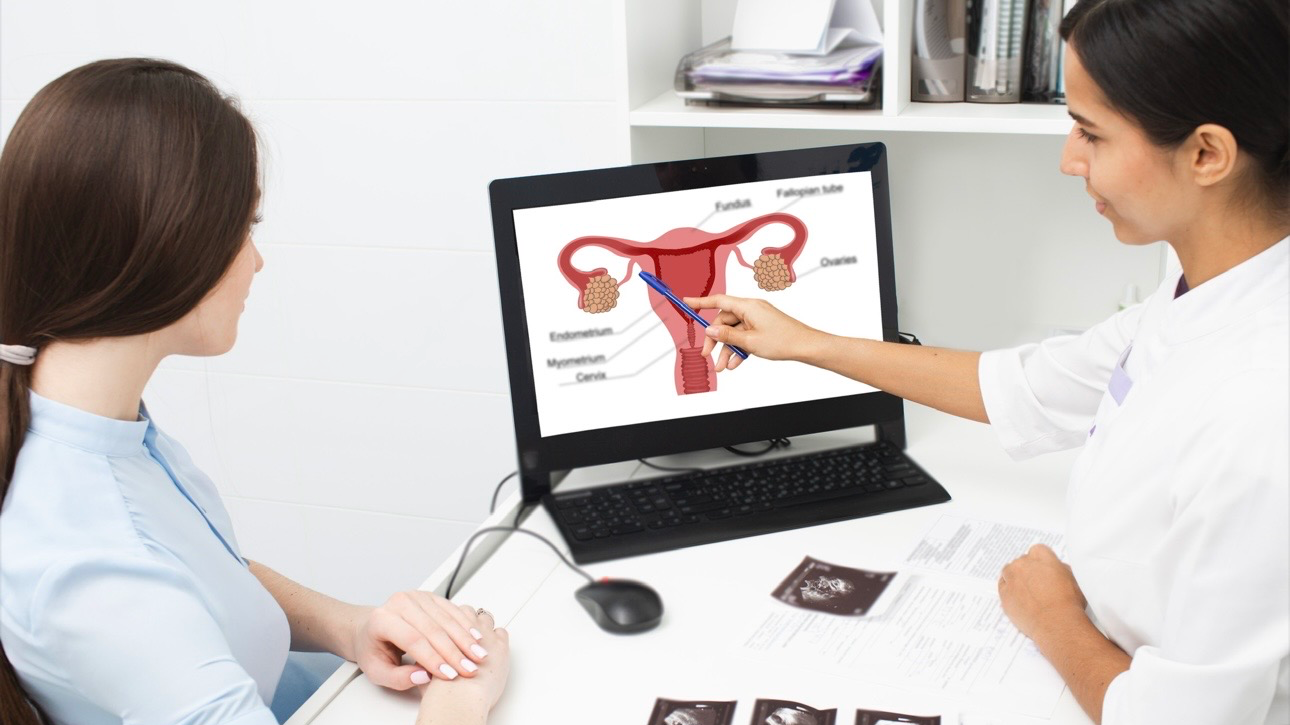
Fibroids are one of the most common conditions affecting women’s reproductive health.
Many women have them and never know.
Others experience symptoms that significantly affect daily life, fertility, and pregnancy.
The challenge is that fibroids are often discussed in extremes.
Either they are dismissed as harmless.
Or they are presented as something that must be treated immediately.
The reality sits somewhere in between.
Understanding when fibroids matter—and when they don’t—helps women make more informed decisions about their health.
Quick Answer
Fibroids are non-cancerous growths in or around the uterus. Many fibroids cause no symptoms and do not require treatment. However, depending on their size, number, and location, they can cause heavy bleeding, pain, fertility challenges, or pregnancy complications. Management depends on symptoms, reproductive goals, and clinical findings.
What Are Fibroids?
Fibroids, also known as uterine leiomyomas, are benign (non-cancerous) growths made of muscle and fibrous tissue.
They develop in or around the uterus and vary widely in:
• size (from very small to large masses)
• number (single or multiple)
• location
Fibroids are extremely common.
Research suggests that a significant proportion of women will develop fibroids at some point during their reproductive years.
Types of Fibroids and Why Location Matters
Fibroids are categorized based on where they grow:
Intramural Fibroids
Located within the uterine wall.
These are the most common type.
Submucosal Fibroids
Grow into the uterine cavity.
More likely to affect bleeding and fertility.
Subserosal Fibroids
Grow on the outer surface of the uterus.
Less likely to affect fertility but may cause pressure symptoms.
Location matters because it determines whether a fibroid interferes with:
• the uterine lining
• implantation
• surrounding organs
Explore more evidence-based reproductive health insights on Sistapedia, covering fertility, pregnancy, hormonal health, postpartum recovery, and menopause.
When Fibroids Cause No Problems
Many fibroids are discovered incidentally during routine imaging.
In these cases, women may experience:
• no symptoms
• normal menstrual cycles
• no fertility issues
For these women, fibroids often require no immediate treatment.
Instead, they may be monitored over time.
This is why not every fibroid diagnosis leads to intervention.
When Fibroids Become a Problem
Fibroids may require attention when they begin to affect quality of life or reproductive health.
Common symptoms include;
Heavy or Prolonged Bleeding
Fibroids can increase the surface area of the uterine lining or disrupt normal contraction of the uterus.
This can lead to:
• heavy periods
• prolonged bleeding
• anemia
Pelvic Pressure or Pain
Larger fibroids may press on surrounding organs, causing:
• pelvic discomfort
• back pain
• urinary frequency
• constipation
Fertility Challenges
Certain fibroids—particularly submucosal ones—can:
• interfere with implantation
• distort the uterine cavity
• increase miscarriage risk
Pregnancy Complications
In some cases, fibroids may contribute to:
• preterm birth
• fetal positioning issues
• cesarean delivery
Why Some Fibroids Grow
The exact cause of fibroids is not fully understood, but they are influenced by hormones.
Estrogen and progesterone both play a role in fibroid growth.
Fibroids tend to:
• grow during reproductive years
• stabilize or shrink after menopause
Other contributing factors may include:
• genetics
• family history
• hormonal environment
Fibroids and Fertility
Not all fibroids affect fertility.
This is one of the most important distinctions.
Fibroids are more likely to impact fertility if they:
• distort the uterine cavity
• block fallopian tubes
• interfere with blood flow to the lining
Submucosal fibroids are the most likely to affect implantation.
Intramural fibroids may affect fertility depending on their size and position.
Subserosal fibroids typically have minimal impact on fertility.
This is why treatment decisions are individualized.
Treatment Options: Not One-Size-Fits-All
Treatment depends on:
• symptoms
• size and location of fibroids
• reproductive goals
• overall health
Options may include:
Monitoring
For asymptomatic fibroids.
Medication
To manage symptoms such as heavy bleeding.
Minimally Invasive Procedures
To shrink or remove fibroids.
Surgery
In some cases, fibroids may be surgically removed (myomectomy).
The goal is not always to remove fibroids—it is to manage their impact.
Why Immediate Treatment Isn’t Always Necessary
A fibroid diagnosis can feel alarming.
But in many cases, intervention is not urgent.
Unnecessary treatment may introduce risks without clear benefit.
Understanding whether fibroids are actually causing symptoms or complications is critical before making decisions.
When to Seek Medical Advice
It is important to seek medical evaluation if you experience:
• very heavy periods
• bleeding between cycles
• persistent pelvic pain
• difficulty conceiving
• repeated miscarriage
• rapid abdominal growth
These symptoms may indicate fibroids are affecting your health.
Frequently Asked Questions
Are fibroids cancerous?
No. Fibroids are benign growths.
Do fibroids always need to be removed?
No. Many fibroids require no treatment.
Can fibroids affect pregnancy?
Some fibroids can, depending on their size and location.
Do fibroids go away on their own?
They may shrink after menopause due to hormonal changes.
The Bigger Picture
Fibroids are common.
But common does not mean insignificant—and it does not mean dangerous.
The key is understanding whether they are:
• present but harmless
or
• actively affecting health and fertility
That distinction changes everything
Read more evidence-based reproductive health articles on Sistapedia.
Women can become AI-verified Sista’s, identified with a Pink Tick that signals genuine, trusted human voices within the community.
Experts, MDs, RNs, healthcare practitioners, service providers, and brands apply for Crown Verification on Sistapedia to be recognized as a verified global authority.
Long-Acting Reversible Contraception (LARC): What Women Should Know Before Choosing It

For many women, contraception decisions are framed around convenience.
Daily pills.
Monthly tracking.
Remembering schedules.
But there is another category of contraception designed to remove that burden entirely.
Long-acting reversible contraception, or LARC, is often described as one of the most effective forms of birth control available.
Yet many women are not fully informed about how it works—or how it may feel once it’s in place.
Understanding both the benefits and trade-offs is essential before choosing it.
Quick Answer
Long-acting reversible contraception (LARC) includes methods such as intrauterine devices (IUDs) and contraceptive implants. These methods provide highly effective, low-maintenance birth control for several years and can be removed at any time. They work by altering the reproductive environment to prevent pregnancy, but may affect bleeding patterns, mood, or hormonal balance depending on the type.
What Is Long-Acting Reversible Contraception?
LARC refers to contraceptive methods that:
• last for extended periods (typically 3–10 years)
• do not require daily or frequent action
• are fully reversible when removed
The two main types are:
Intrauterine Devices (IUDs)
Small devices placed inside the uterus.
Two types:
• Hormonal IUDs (release progestin)
• Copper IUDs (non-hormonal)
Contraceptive Implant
A small rod inserted under the skin of the arm that releases progestin.
These methods are widely used due to their high effectiveness and low maintenance.
Why LARC Is Considered Highly Effective
LARC methods are among the most effective contraceptives because they remove the possibility of user error.
Unlike pills or condoms, they do not rely on:
• remembering doses
• timing
• correct use during each encounter
Failure rates are extremely low—typically less than 1%.
This reliability is one of the main reasons clinicians often recommend LARC methods.
Explore more evidence-based reproductive health insights on Sistapedia, covering contraception, fertility, pregnancy, postpartum recovery, and menopause.
How Hormonal and Non-Hormonal Options Differ
Hormonal IUD and Implant
These release progestin, which works by:
• thickening cervical mucus
• thinning the uterine lining
• sometimes suppressing ovulation
Copper IUD
The copper IUD does not contain hormones.
It creates an environment that is toxic to sperm, preventing fertilization.
This option is often chosen by women who want to avoid hormonal effects.
What Changes Women May Notice
LARC methods can affect the body in different ways depending on the type.
Hormonal LARC
Some women may experience:
• lighter or absent periods
• irregular spotting (especially early on)
• mood changes
• changes in libido
Copper IUD
Some women may experience:
• heavier periods
• increased cramping
• longer menstrual cycles
These effects vary significantly between individuals.
The Insertion Experience
One of the most overlooked aspects of LARC is the insertion process.
For IUDs:
• the device is placed through the cervix into the uterus
• some women experience discomfort or cramping
• the experience varies from mild to intense
For implants:
• inserted under the skin of the arm using a local anesthetic
• typically quicker and less painful than IUD insertion
Understanding the insertion experience helps set realistic expectations.
Fertility After Removal
One of the key advantages of LARC is reversibility.
Once removed:
• fertility typically returns quickly
• ovulation may resume within weeks
This makes LARC suitable for women who want effective contraception now but may consider pregnancy in the future.
Common Misconceptions About LARC
“It affects fertility long term”
LARC does not cause permanent infertility.
“It’s only for women who have had children”
LARC is suitable for many women, including those who have not had children.
“You can’t remove it early”
LARC can be removed at any time by a healthcare provider.
When LARC May Not Be the Right Fit
LARC may not be ideal for everyone.
Some women may prefer alternatives if they:
• are sensitive to hormonal changes
• prefer cycle predictability
• have specific uterine conditions
• are uncomfortable with device-based contraception
Choosing contraception should always align with personal preferences and medical context.
Frequently Asked Questions
Which LARC method is most effective?
Both IUDs and implants are highly effective, with very low failure rates.
Does insertion hurt?
Experiences vary. Some women feel mild discomfort, while others experience stronger cramping.
Can LARC affect mood?
Hormonal methods may influence mood in some individuals.
How long does LARC last?
Depending on the type, between 3 and 10 years.
The Bigger Picture
LARC offers a different approach to contraception.
It removes the need for daily management and provides long-term protection.
But effectiveness alone is not the only factor.
How a method feels—physically, emotionally, and hormonally—matters just as much.
Understanding both sides allows women to make decisions that fit their lives, not just clinical recommendations.
Read more evidence-based reproductive health content on Sistapedia.
Women can become AI-verified Sista’s, identified with a Pink Tick that signals genuine, trusted human voices within the community.
Experts, MDs, RNs, healthcare practitioners, service providers, and brands can apply for Crown Verification on Sistapedia® signalling your authority and expertise.

 Google