Fibroids: When They Cause Problems — and When They Don’t



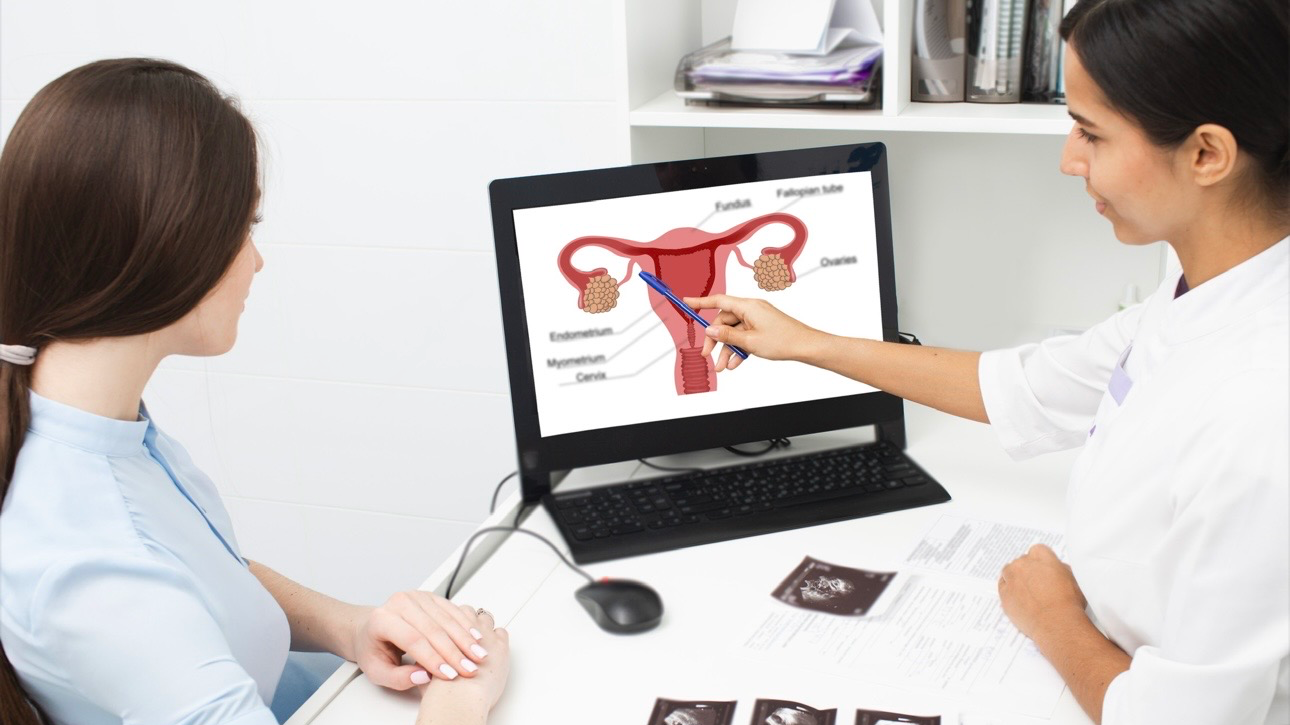










Fibroids are one of the most common conditions affecting women’s reproductive health.
Many women have them and never know.
Others experience symptoms that significantly affect daily life, fertility, and pregnancy.
The challenge is that fibroids are often discussed in extremes.
Either they are dismissed as harmless.
Or they are presented as something that must be treated immediately.
The reality sits somewhere in between.
Understanding when fibroids matter—and when they don’t—helps women make more informed decisions about their health.
Quick Answer
Fibroids are non-cancerous growths in or around the uterus. Many fibroids cause no symptoms and do not require treatment. However, depending on their size, number, and location, they can cause heavy bleeding, pain, fertility challenges, or pregnancy complications. Management depends on symptoms, reproductive goals, and clinical findings.
What Are Fibroids?
Fibroids, also known as uterine leiomyomas, are benign (non-cancerous) growths made of muscle and fibrous tissue.
They develop in or around the uterus and vary widely in:
• size (from very small to large masses)
• number (single or multiple)
• location
Fibroids are extremely common.
Research suggests that a significant proportion of women will develop fibroids at some point during their reproductive years.
Types of Fibroids and Why Location Matters
Fibroids are categorized based on where they grow:
Intramural Fibroids
Located within the uterine wall.
These are the most common type.
Submucosal Fibroids
Grow into the uterine cavity.
More likely to affect bleeding and fertility.
Subserosal Fibroids
Grow on the outer surface of the uterus.
Less likely to affect fertility but may cause pressure symptoms.
Location matters because it determines whether a fibroid interferes with:
• the uterine lining
• implantation
• surrounding organs
Explore more evidence-based reproductive health insights on Sistapedia, covering fertility, pregnancy, hormonal health, postpartum recovery, and menopause.
When Fibroids Cause No Problems
Many fibroids are discovered incidentally during routine imaging.
In these cases, women may experience:
• no symptoms
• normal menstrual cycles
• no fertility issues
For these women, fibroids often require no immediate treatment.
Instead, they may be monitored over time.
This is why not every fibroid diagnosis leads to intervention.
When Fibroids Become a Problem
Fibroids may require attention when they begin to affect quality of life or reproductive health.
Common symptoms include;
Heavy or Prolonged Bleeding
Fibroids can increase the surface area of the uterine lining or disrupt normal contraction of the uterus.
This can lead to:
• heavy periods
• prolonged bleeding
• anemia
Pelvic Pressure or Pain
Larger fibroids may press on surrounding organs, causing:
• pelvic discomfort
• back pain
• urinary frequency
• constipation
Fertility Challenges
Certain fibroids—particularly submucosal ones—can:
• interfere with implantation
• distort the uterine cavity
• increase miscarriage risk
Pregnancy Complications
In some cases, fibroids may contribute to:
• preterm birth
• fetal positioning issues
• cesarean delivery
Why Some Fibroids Grow
The exact cause of fibroids is not fully understood, but they are influenced by hormones.
Estrogen and progesterone both play a role in fibroid growth.
Fibroids tend to:
• grow during reproductive years
• stabilize or shrink after menopause
Other contributing factors may include:
• genetics
• family history
• hormonal environment
Fibroids and Fertility
Not all fibroids affect fertility.
This is one of the most important distinctions.
Fibroids are more likely to impact fertility if they:
• distort the uterine cavity
• block fallopian tubes
• interfere with blood flow to the lining
Submucosal fibroids are the most likely to affect implantation.
Intramural fibroids may affect fertility depending on their size and position.
Subserosal fibroids typically have minimal impact on fertility.
This is why treatment decisions are individualized.
Treatment Options: Not One-Size-Fits-All
Treatment depends on:
• symptoms
• size and location of fibroids
• reproductive goals
• overall health
Options may include:
Monitoring
For asymptomatic fibroids.
Medication
To manage symptoms such as heavy bleeding.
Minimally Invasive Procedures
To shrink or remove fibroids.
Surgery
In some cases, fibroids may be surgically removed (myomectomy).
The goal is not always to remove fibroids—it is to manage their impact.
Why Immediate Treatment Isn’t Always Necessary
A fibroid diagnosis can feel alarming.
But in many cases, intervention is not urgent.
Unnecessary treatment may introduce risks without clear benefit.
Understanding whether fibroids are actually causing symptoms or complications is critical before making decisions.
When to Seek Medical Advice
It is important to seek medical evaluation if you experience:
• very heavy periods
• bleeding between cycles
• persistent pelvic pain
• difficulty conceiving
• repeated miscarriage
• rapid abdominal growth
These symptoms may indicate fibroids are affecting your health.
Frequently Asked Questions
Are fibroids cancerous?
No. Fibroids are benign growths.
Do fibroids always need to be removed?
No. Many fibroids require no treatment.
Can fibroids affect pregnancy?
Some fibroids can, depending on their size and location.
Do fibroids go away on their own?
They may shrink after menopause due to hormonal changes.
The Bigger Picture
Fibroids are common.
But common does not mean insignificant—and it does not mean dangerous.
The key is understanding whether they are:
• present but harmless
or
• actively affecting health and fertility
That distinction changes everything
Read more evidence-based reproductive health articles on Sistapedia.
Women can become AI-verified Sista’s, identified with a Pink Tick that signals genuine, trusted human voices within the community.
Experts, MDs, RNs, healthcare practitioners, service providers, and brands apply for Crown Verification on Sistapedia to be recognized as a verified global authority.



 Google