Perimenopause and Sleep Disruption: Why Women Suddenly Wake at 3AMs



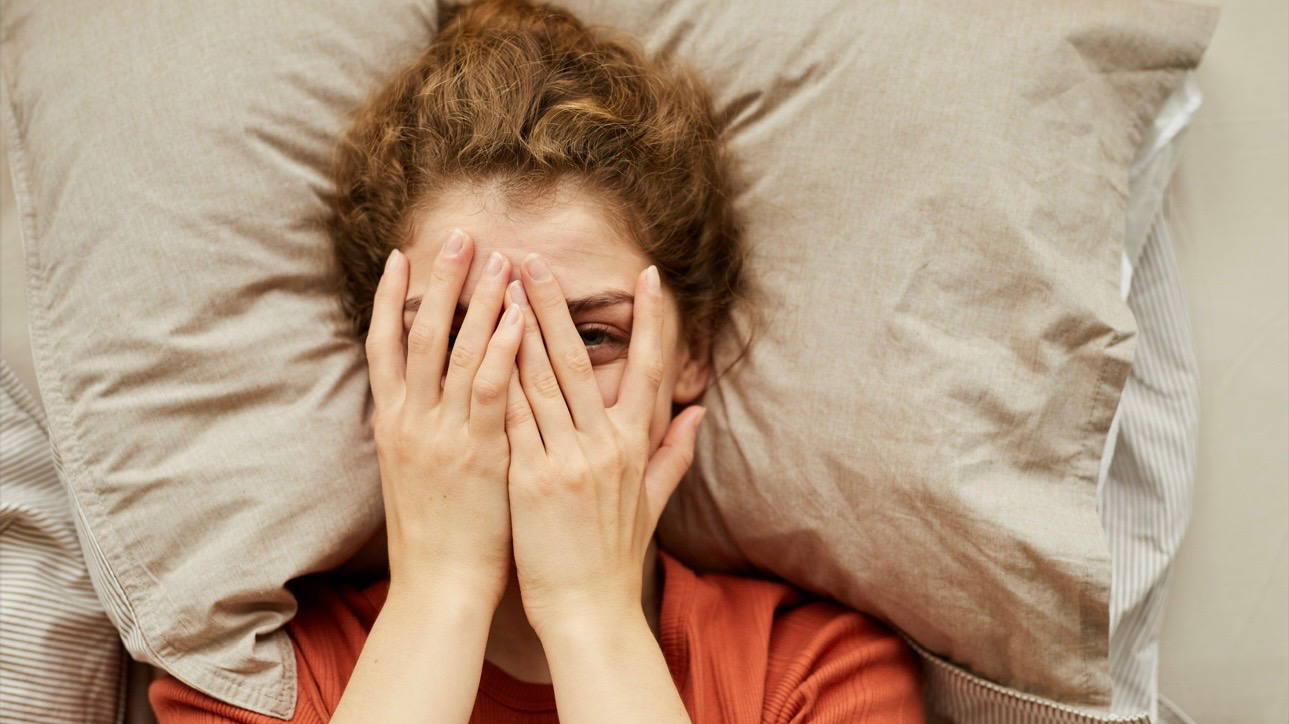









For many women, one of the earliest signs of perimenopause is not hot flashes.
It is sleep disruption.
Falling asleep becomes harder.
Staying asleep becomes unpredictable.
And waking between 2AM and 4AM suddenly becomes routine.
Many women initially blame:
- stress
- work
- parenting
- screen time
But often, the deeper driver is hormonal change.
And because perimenopause can begin years before menopause itself, many women do not recognize the connection immediately.
Quick Answer
Perimenopause disrupts sleep due to fluctuating estrogen and progesterone levels, changes in cortisol regulation, night sweats, and altered nervous system activity. These hormonal shifts affect the brain’s sleep-wake regulation, causing insomnia, early waking, fragmented sleep, and lighter sleep quality.
What Is Perimenopause?
Perimenopause is the transitional phase before menopause.
During this stage:
- ovarian hormone production becomes less predictable
- estrogen fluctuates significantly
- ovulation becomes irregular
This transition may begin:
- in the 40s
- sometimes in the late 30s
- occasionally earlier
Perimenopause is not a single event.
It is a hormonal transition that can last several years.
Why does perimenopause affect sleep so strongly?
Sleep is heavily influenced by hormones.
Estrogen and progesterone both play important roles in:
- nervous system regulation
- body temperature
- mood stability
- sleep architecture
When these hormones fluctuate, sleep quality changes.
This is why many women suddenly experience:
- insomnia
- lighter sleep
- early waking
- restless sleep
even if they previously slept well for decades.
Why do women wake up at 3AM during perimenopause?
This is one of the most common patterns reported.
Several systems may contribute:
Cortisol dysregulation
Hormonal shifts can affect the body’s stress-response system.
Cortisol may rise too early in the morning, triggering wakefulness.
Blood sugar instability
Fluctuating hormones can affect glucose regulation overnight, contributing to waking.
Temperature dysregulation
Even subtle hot flashes or night sweats may interrupt sleep cycles.
Lighter sleep architecture
Perimenopause often reduces deep restorative sleep.
This makes women easier to wake—and harder to return to sleep.
Looking for real, verified information in women’s health?
Join Sistapedia and access trusted voices across every stage of the reproductive lifecycle.
How does estrogen affect sleep?
Estrogen influences several systems connected to sleep.
It supports:
- serotonin activity
- melatonin regulation
- temperature stability
- nervous system balance
When estrogen fluctuates:
- sleep becomes more fragmented
- body temperature regulation changes
- mood and anxiety may worsen
This creates a cycle where poor sleep further amplifies hormonal symptoms.
What role does progesterone play?
Progesterone has calming and sedative-like effects on the brain.
During perimenopause:
- ovulation may become inconsistent
- progesterone production may decline earlier than estrogen
Lower progesterone can contribute to:
- increased nighttime alertness
- anxiety
- difficulty staying asleep
This is one reason some women feel “wired but exhausted.”
Why sleep disruption affects everything else
Poor sleep is not an isolated symptom.
It affects:
- mood
- memory
- metabolism
- emotional regulation
- work performance
This is why many women experiencing perimenopause report:
- brain fog
- irritability
- overwhelm
- reduced resilience
Sleep disruption amplifies the entire perimenopause experience.
Is it insomnia or hormones?
For many women, it is both.
Hormonal changes create the biological conditions for disrupted sleep.
Then stress about sleep itself increases:
- anxiety
- hypervigilance
- nighttime alertness
This creates a feedback loop.
The body becomes biologically and psychologically conditioned toward lighter sleep.
What helps improve sleep during perimenopause?
Management depends on the underlying drivers.
Possible strategies include:
Supporting circadian rhythm
- morning light exposure
- reducing bright light late at night
Nervous system regulation
- stress reduction
- reducing overstimulation before sleep
Managing temperature
- cooler sleep environments
- breathable bedding
Medical support
Some women may benefit from hormonal or clinical support depending on symptoms and health profile.
What most women are not told
Many women are prepared for hot flashes.
Far fewer are prepared for:
- insomnia
- fragmented sleep
- early waking
- nervous system overstimulation
As a result, many women spend years believing:
- they are “bad sleepers”
- they are too stressed
- they are coping poorly
without recognizing the hormonal transition underneath.
When should you seek support?
You should seek medical advice if sleep disruption:
- persists for weeks or months
- affects mood or functioning
- worsens anxiety or depression
- causes severe fatigue
Sleep is not a minor symptom.
It is foundational to physical and mental health.
Frequently Asked Questions
Can perimenopause cause insomnia?
Yes. Hormonal fluctuations commonly disrupt sleep quality and continuity.
Why do I wake up at the same time every night?
Cortisol shifts, blood sugar regulation, and nervous system changes may contribute.
Does sleep improve after menopause?
For some women it does, while others continue to experience sleep changes.
Can hormone therapy help sleep?
In some cases, hormonal treatment may improve symptoms, but suitability varies between individuals.
The Bigger Picture
Perimenopause is not only about reproductive change.
It is a neurological and metabolic transition.
Sleep disruption is often one of the earliest signs that the system is shifting.
Understanding this reframes the experience from:
“something is wrong with me”
to
“my biology is changing”
And that understanding matters.
Join Sistapedia.
Sistapedia® is redefining trust in women’s health.
Women can apply for verified identity through the Pink Tick — helping distinguish genuine women within the platform.
Medical Doctors, Registered Nurses, Healthcare Practitioners, and Experts can apply for Crown Verification to be recognised for verified expertise in women’s health.
Products & Brands can apply for Crown Verification to participate in the SistaShop™ ecosystem.
Where women come to learn.
Where professionals come to educate.
Where verified participation matters.
Strategic participation enquiries via DM.



 Google