How Infant Gut Development Shapes Early Health



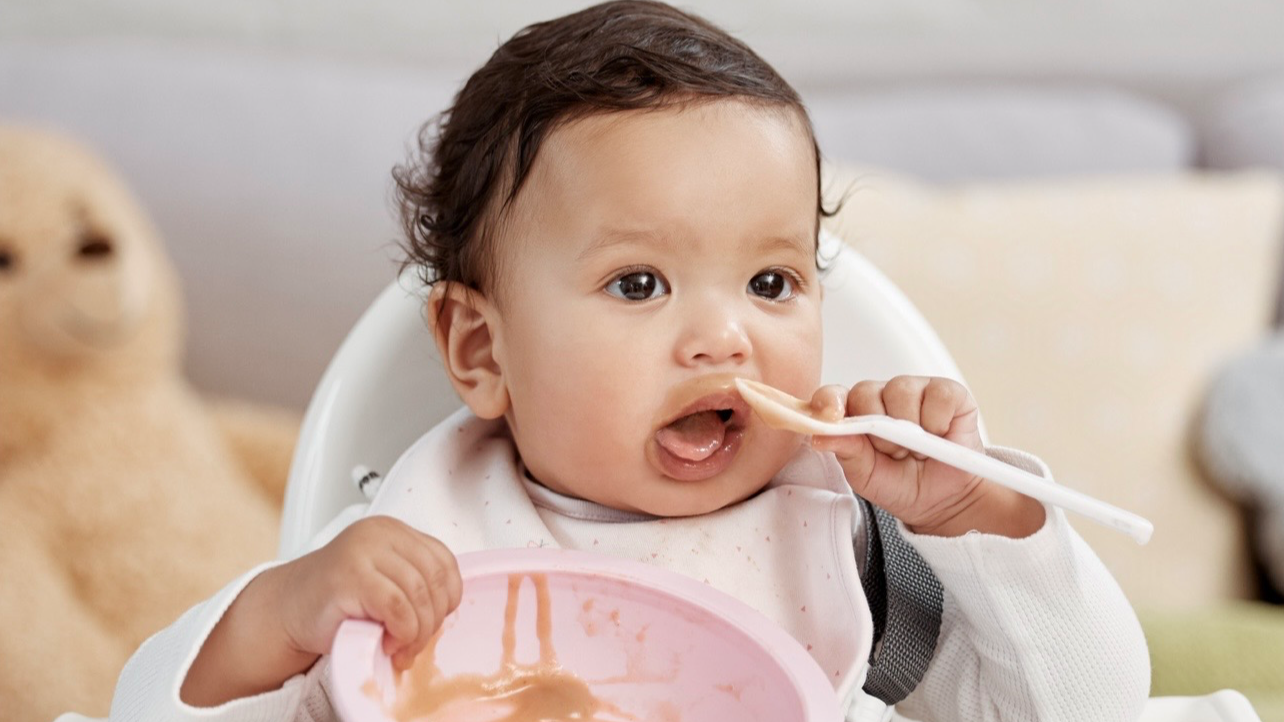











When parents think about newborn health, they often focus on the obvious milestones.
Sleeping.
Feeding.
Growth.
Development.
But one of the most important systems influencing a baby’s future health cannot be seen.
The gut.
Inside a newborn’s digestive system, trillions of microorganisms begin establishing what scientists call the gut microbiome—a complex ecosystem of bacteria, viruses, fungi, and other microbes.
Far from being harmful, many of these microorganisms play essential roles in health.
They help train the immune system.
Support digestion.
Protect against harmful pathogens.
And influence health outcomes long after infancy.
Researchers increasingly believe that some of the foundations for lifelong health are established during the earliest months and years of life.
Understanding infant gut development is becoming one of the most important areas of modern pediatric and reproductive health research.
Infant gut development refers to the formation and maturation of the digestive microbiome during early life. The infant gut helps shape immune function, digestion, metabolism, and protection against disease. Factors such as birth method, feeding choices, antibiotic exposure, and environment can influence how the gut microbiome develops.
What Is the Infant Gut Microbiome?
The gut microbiome is the collection of microorganisms that live within the digestive tract.
Adults carry trillions of microbes.
Newborns begin life with a microbiome that is still developing.
During infancy, the gut becomes populated by a diverse community of microorganisms that interact continuously with:
- the digestive system
- the immune system
- metabolic pathways
- the nervous system
This process is dynamic and changes rapidly during the first years of life.
Why Is Gut Development So Important?
The gut is often viewed purely as a digestive organ.
But it performs far broader functions.
The infant gut plays a role in:
- nutrient absorption
- immune development
- infection protection
- inflammatory regulation
- metabolic programming
Some researchers estimate that approximately 70% of immune system activity is connected to the gastrointestinal tract.
This makes early gut development particularly important.
How Does a Baby’s Gut Develop After Birth?
A newborn’s gut is not fully mature at birth.
Development continues rapidly throughout infancy.
The microbiome evolves through:
Early microbial exposure
Microorganisms begin colonizing the infant gut shortly after birth.
Feeding
Breast milk, formula, and later solid foods all influence microbial diversity.
Environmental exposure
Family members, pets, siblings, and surroundings contribute microbial exposure.
Immune maturation
The developing immune system learns to distinguish beneficial microbes from harmful pathogens.
These processes work together to build a more complex and resilient microbiome.
Does Birth Method Influence Gut Development?
Research suggests birth method may influence early microbial exposure.
Babies born vaginally encounter microorganisms from the birth canal during delivery.
Babies born via cesarean section may experience different early microbial patterns.
However, birth method is only one factor.
The microbiome continues evolving after birth through feeding, environment, and ongoing exposures.
What Most Parents Are Not Told #1
Birth method does not determine a baby’s future health destiny.
While microbial differences may exist initially, many factors influence gut development during infancy.
The microbiome continues changing long after delivery.
Why Is Breast Milk Important for Gut Health?
Breast milk contains more than nutrition.
It also contains:
- antibodies
- immune factors
- beneficial compounds
- human milk oligosaccharides (HMOs)
HMOs are unique carbohydrates that nourish beneficial gut bacteria.
Interestingly, babies do not digest HMOs directly.
Instead, these compounds feed specific microorganisms that help establish a healthy microbiome.
This is one reason breast milk is considered biologically sophisticated.
What About Formula-Fed Babies?
Formula-fed babies also develop microbiomes.
The microbial composition may differ somewhat from exclusively breastfed infants, but gut development continues regardless of feeding pathway.
Modern infant nutrition has evolved significantly.
The goal should never be guilt.
The goal should be supporting infant health using the feeding approach that is safest, most sustainable, and most appropriate for each family.
Looking for trusted information across fertility, pregnancy, postpartum recovery, newborn health, breastfeeding, menopause, and reproductive medicine?
Explore hundreds of evidence-based articles on Sistapedia.
How Does the Gut Influence the Immune System?
One of the most important jobs of the infant microbiome is immune education.
The immune system must learn:
- what is dangerous
- what is harmless
- what should be tolerated
Beneficial gut bacteria help guide these processes.
Researchers continue studying how early microbial development may influence future risks for:
- allergies
- eczema
- asthma
- autoimmune disease
The science continues evolving, but the connection between gut development and immune health is now widely recognized.
Can Antibiotics Affect Infant Gut Development?
Antibiotics save lives and remain one of the most important tools in modern medicine.
However, antibiotics do not distinguish between harmful and beneficial bacteria.
This means antibiotic exposure may temporarily alter the microbiome.
Healthcare decisions should always balance:
- benefits
- risks
- clinical necessity
When antibiotics are needed, appropriate treatment remains the priority.
What Most Parents Are Not Told #2
The goal is not to avoid every microbial disruption.
The goal is resilience.
Healthy microbiomes are dynamic and adaptable.
Temporary changes do not automatically lead to long-term problems.
What Happens When Babies Start Solid Foods?
The introduction of solids represents a major developmental milestone for the microbiome.
New foods introduce:
- new nutrients
- new fibers
- new microbial influences
As dietary diversity increases, microbial diversity often increases as well.
This transition helps the gut move toward a more mature state.
Is There a Connection Between the Gut and the Brain?
Researchers increasingly study what is known as the gut-brain axis.
This refers to communication between:
- the digestive system
- the nervous system
- the brain
While infant research is still developing, scientists believe gut health may influence:
- behavior
- mood
- neurological development
- immune regulation
This area remains one of the most exciting fields in modern health research.
What Most Parents Are Not Told #3
Many aspects of infant health are interconnected.
The gut influences immunity.
Immunity influences inflammation.
Inflammation influences development.
Health systems do not operate independently.
The microbiome is part of a much larger biological network.
Can Parents Support Healthy Gut Development?
No parent can create a “perfect” microbiome.
And perfection is not the goal.
However, healthy development is supported through:
- appropriate infant nutrition
- routine healthcare
- safe environmental exposure
- responsive caregiving
- evidence-based medical care
Small, consistent factors often matter more than individual interventions.
Frequently Asked Questions
Does every baby have a microbiome?
Yes. All babies develop microbiomes, although microbial composition differs between individuals.
Can gut health affect immunity?
Yes. The gut plays a major role in immune system development.
Is breastfeeding required for healthy gut development?
No. Breastfeeding provides unique biological benefits, but healthy development can occur through multiple feeding pathways.
Does the microbiome stop changing after infancy?
No. The microbiome continues evolving throughout life.
The Bigger Picture
The infant gut is far more than a digestive system.
It is one of the body’s earliest training grounds.
The microbiome helps shape:
- digestion
- immunity
- metabolism
- health resilience
Scientists continue discovering how profoundly these early years influence future wellbeing.
While no parent can control every variable, understanding the importance of gut development provides valuable insight into one of the most remarkable systems in human biology.
Secure Your Position Early
Verified Sista’s receive a free Pink Tick, signalling genuine, trusted identity across Sistapedia.
Women come to Sistapedia to learn. Professionals come to educate.
If you’re a Medical Doctor, Registered Nurse, Healthcare Practitioner, Expert, Product or Brand in women’s health, visit the Verification tab in your profile and apply for Crown Verification.
Start publishing content, join our global directories, and secure your position among the trusted voices shaping women’s health.
Select the Verification tab in your profile to get started.


2 replies on “How Infant Gut Development Shapes Early Health”
Leave a Reply
You must be logged in to post a comment.


 Google
I found this article interesting and informative
Very informative article