Placenta Health: The Organ That Sustains Pregnancy



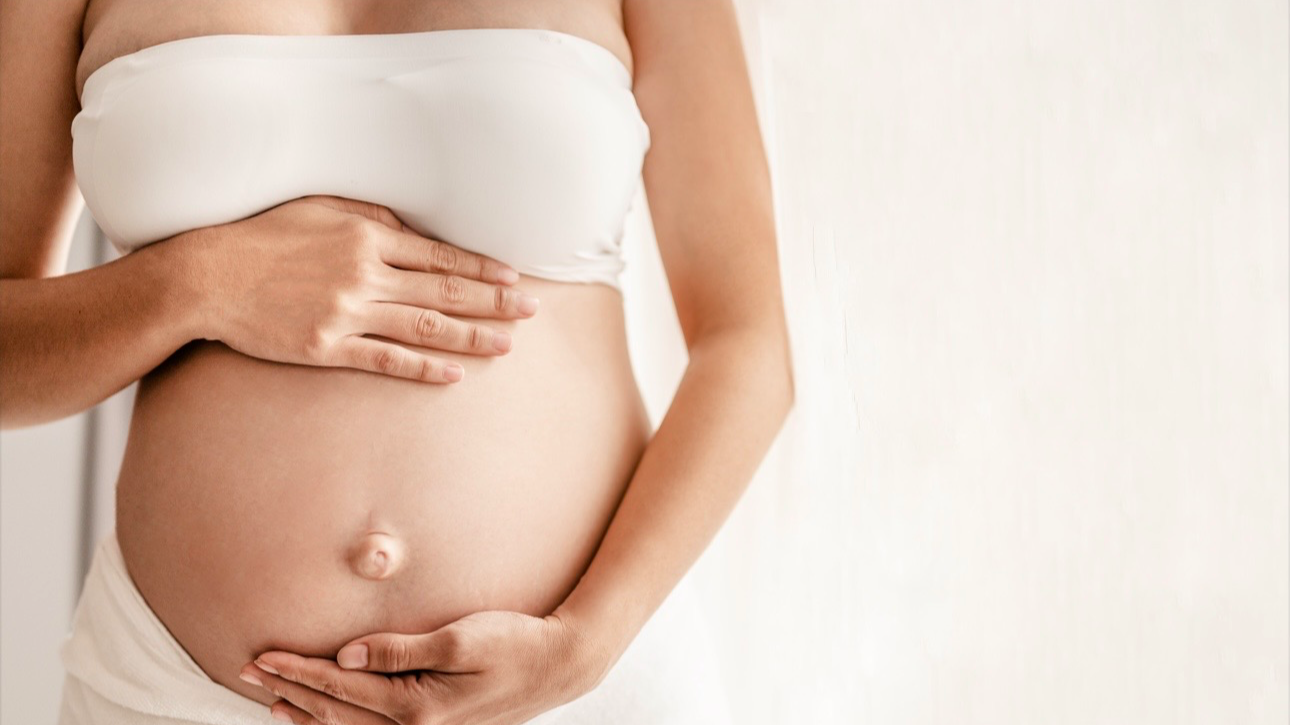










When most people think about pregnancy, they think about the baby.
Few think about the organ that makes pregnancy possible.
The placenta.
It develops only during pregnancy.
It nourishes your baby.
Supplies oxygen.
Removes waste.
Produces hormones.
Protects against many infections.
Coordinates communication between mother and baby.
Then, after birth, it has completed its purpose.
Despite being one of the most important organs in pregnancy, the placenta is rarely discussed outside the delivery room.
Yet placental health influences almost every aspect of pregnancy—from fetal growth and development to the timing of birth.
Understanding how the placenta works helps women better understand their pregnancy and why routine antenatal care is so important.
Quick Answer
The placenta is a temporary organ that develops during pregnancy to supply oxygen, nutrients, hormones and immune support to the growing baby. A healthy placenta is essential for normal fetal growth and development, while problems affecting placental function may increase the risk of pregnancy complications.
What Is the Placenta?
The placenta begins forming shortly after a fertilised embryo implants into the uterus.
Over the following weeks it develops into an extraordinary organ that connects mother and baby through the umbilical cord.
Although their circulatory systems remain separate, the placenta allows an exchange of:
- oxygen
- nutrients
- antibodies
- hormones
- waste products
This exchange supports every stage of fetal development.
Without a functioning placenta, pregnancy cannot continue.
Why Is the Placenta So Important?
Many people think the placenta simply “feeds the baby.”
Its role is far greater.
The placenta functions as:
- the baby’s lungs
- the baby’s kidneys
- the baby’s digestive support system
- a hormone-producing organ
- an immune interface between mother and baby
Few organs in medicine perform so many functions simultaneously.
How Does the Placenta Feed the Baby?
Everything the developing baby needs must first pass through the placenta.
This includes:
- oxygen
- glucose
- amino acids
- fatty acids
- vitamins
- minerals
The placenta carefully regulates this transfer.
It is not simply a passive filter.
It actively transports many nutrients while helping remove carbon dioxide and metabolic waste from the baby’s circulation.
Does the Placenta Produce Hormones?
Yes.
In fact, the placenta becomes one of the body’s most active hormone-producing organs during pregnancy.
It produces hormones including:
- human chorionic gonadotropin (hCG)
- progesterone
- estrogen
- human placental lactogen (hPL)
These hormones help:
- maintain pregnancy
- support fetal growth
- prepare the breasts for breastfeeding
- influence maternal metabolism
The placenta acts as both a life-support system and an endocrine organ.
What Most Women Are Not Told #1
Many pregnancy symptoms that women experience—including nausea, fatigue, breast tenderness and changing metabolism—are influenced not only by the baby, but by hormones produced by the placenta itself.
What Can Affect Placental Health?
Most placentas develop normally.
However, some pregnancies experience placental complications.
These may include:
- reduced blood flow
- abnormal implantation
- placental insufficiency
- placental abruption
- placenta previa
The severity varies considerably between pregnancies.
Many placental conditions are identified through routine antenatal monitoring before they become emergencies.
Looking for trusted information across fertility, pregnancy, birth, postpartum recovery and women’s health?
Explore hundreds of evidence-based articles on Sistapedia, written to help women make informed health decisions at every stage of life.
How Does Placental Health Affect Baby’s Growth?
As pregnancy progresses, the baby’s nutritional needs increase dramatically.
If the placenta is unable to supply sufficient oxygen or nutrients, fetal growth may slow.
Healthcare providers monitor this through:
- ultrasound assessments
- fetal growth measurements
- Doppler blood flow studies
- maternal health assessments
The purpose of monitoring is early detection and timely intervention.
Can Lifestyle Influence Placental Health?
Some factors are beyond anyone’s control.
Others support a healthy pregnancy overall.
General recommendations include:
- attending regular antenatal appointments
- managing chronic medical conditions
- avoiding smoking
- limiting alcohol exposure
- maintaining appropriate nutrition
- following medical advice throughout pregnancy
Healthy pregnancy care supports both maternal and placental health.
Why Is the Placenta Called the “Forgotten Organ”?
After birth, attention naturally shifts to the baby.
The placenta is delivered and often discarded.
Yet throughout pregnancy it has sustained two lives simultaneously.
Researchers continue discovering new roles for the placenta in:
- fetal programming
- maternal health
- immune regulation
- long-term child development
It remains one of the least appreciated organs in medicine.
What Most Women Are Not Told #2
The placenta records much of the pregnancy.
Healthcare professionals may examine it after birth because it can provide important clues about complications affecting both mother and baby.
What Happens After the Baby Is Born?
Once the baby is delivered, the uterus contracts and the placenta separates from the uterine wall.
This stage is known as the third stage of labour.
Healthcare providers examine the placenta to ensure it has been delivered completely.
Retained placental tissue can increase the risk of:
- heavy bleeding
- infection
- delayed postpartum recovery
Can Placental Problems Be Prevented?
Not all placental complications can be prevented.
Many occur despite excellent prenatal care.
However, early antenatal care improves the likelihood that problems are recognised promptly and managed appropriately.
Modern obstetrics has significantly improved outcomes through earlier monitoring and better understanding of placental disease.
What Most Women Are Not Told #3
The placenta does not simply support pregnancy.
It actively influences how the baby’s organs develop before birth.
Scientists increasingly believe placental function may affect health long after delivery, making it one of the most important organs in lifelong human development.
Frequently Asked Questions
Does every pregnancy develop a placenta?
Yes. A functioning placenta is essential for an ongoing pregnancy.
Can the placenta repair itself?
Some placental changes may compensate over time, but significant placental disease requires medical monitoring.
Is an anterior placenta dangerous?
Usually not. An anterior placenta refers to its position and is often a normal variation.
Why do doctors monitor the placenta during pregnancy?
Because placental function directly influences fetal growth, oxygen supply and pregnancy outcomes.
The Bigger Picture
The placenta is one of the most extraordinary organs the human body ever produces.
It exists for only one pregnancy.
Yet during those months it performs the work of multiple organs while supporting the growth of an entirely new life.
Understanding placental health helps women better understand pregnancy itself.
And informed women are better equipped to recognise the importance of routine antenatal care, ongoing monitoring and asking questions throughout their pregnancy journey.
Secure Your Position Now
Verified Sista’s receive a free Pink Tick, signalling genuine, trusted identity across Sistapedia.
Women come to Sistapedia®️ to learn. Professionals come to educate.
If you’re a Medical Doctor, Registered Nurse, Healthcare Practitioner, Expert, Product or Brand in women’s health, visit the Verification tab in your profile and apply for Crown Verification.
Start publishing content, join our global directories, and secure your position among the trusted voices shaping women’s health.
Select the Verification tab in your profile to get started.


2 replies on “Placenta Health: The Organ That Sustains Pregnancy”
Leave a Reply
You must be logged in to post a comment.


 Google
Test after reload of article
Informative article on an important topic