Mixed Feeding: When Breastfeeding and Formula Coexist



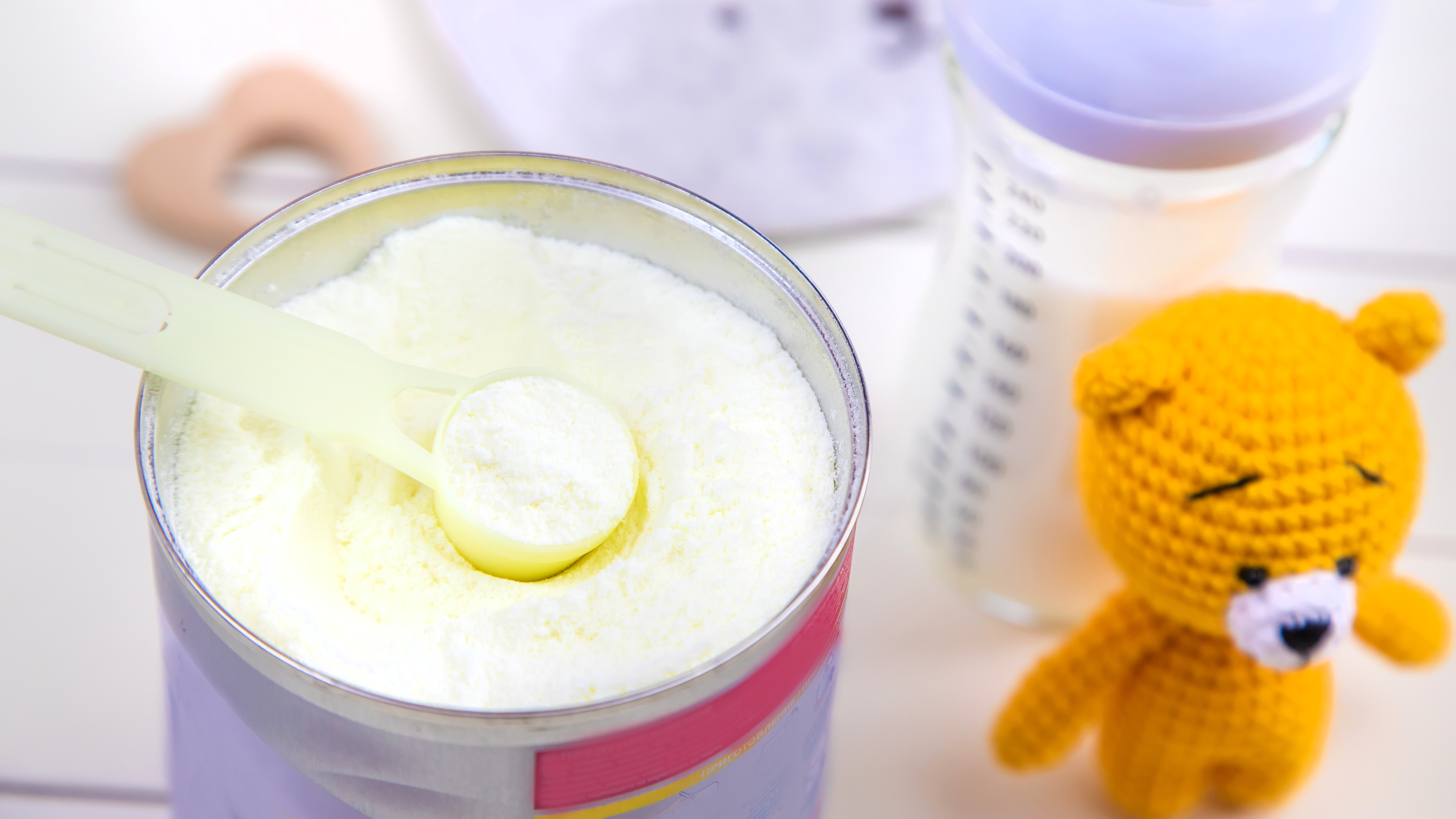







Mixed feeding combines breastfeeding and infant formula to meet a baby’s nutritional needs. Learn when mixed feeding may be appropriate, common misconceptions, and how families can make informed decisions.
Few parenting decisions generate as much discussion—or as much guilt—as feeding a baby.
For decades, many parents have felt they needed to choose between two opposing approaches:
Breastfeeding.
Or formula feeding.
In reality, many families do neither.
Instead, they choose a combination of both.
Known as mixed feeding or combination feeding, this approach allows babies to receive both breast milk and infant formula.
For some families, mixed feeding is carefully planned.
For others, it develops naturally as circumstances change.
There is no single pathway through early parenthood.
Understanding mixed feeding helps parents make informed decisions based on their baby’s needs, maternal health, family circumstances, and professional medical advice—not social pressure.
Quick Answer
Mixed feeding is the practice of feeding a baby both breast milk and infant formula. Families may choose this approach for many reasons, including milk supply, maternal health, returning to work, shared caregiving, or personal preference. A baby’s nutritional needs remain the priority, regardless of feeding method.
What Is Mixed Feeding?
Mixed feeding simply means a baby receives nutrition from more than one source.
This may involve:
- breastfeeding and formula
- expressed breast milk and formula
- direct breastfeeding plus bottle feeds
Every family’s routine looks different.
Some babies receive one bottle each day.
Others receive an equal combination of breast milk and formula.
There is no universal formula for combination feeding.
Why Do Families Choose Mixed Feeding?
Every family’s circumstances are unique.
Some common reasons include:
- low milk supply
- maternal illness
- medication requirements
- returning to work
- shared overnight feeding
- multiple births
- infant weight concerns
- personal preference
Often, mixed feeding is not a first choice or a last resort.
It is simply the feeding approach that works best for a particular family.
Does Mixed Feeding Reduce Breastfeeding Benefits?
Breast milk continues to provide valuable nutritional and immune benefits whenever it is part of a baby’s diet.
Receiving some formula does not automatically eliminate those benefits.
The overall feeding plan should always support healthy infant growth while considering maternal wellbeing.
What Most Parents Are Not Told #1
Many parents believe feeding decisions must be “all or nothing.”
In reality, infant feeding exists on a spectrum.
For many families, combination feeding provides flexibility while continuing to include breast milk.
Can Mixed Feeding Affect Milk Supply?
Breast milk production works through supply and demand.
Generally, less breast stimulation may reduce milk production over time.
However, every woman responds differently.
Some mothers maintain supply successfully while mixed feeding.
Others require additional feeding support.
Healthcare professionals such as lactation consultants can provide individual guidance where needed.
Looking for trusted information across fertility, pregnancy, breastfeeding, newborn care, postpartum recovery and women’s health?
Explore hundreds of evidence-based articles on Sistapedia.
Can Partners Participate More With Mixed Feeding?
For some families, mixed feeding allows partners or other caregivers to participate in feeding routines.
This may support:
- shared caregiving
- maternal recovery
- flexible schedules
- overnight support
Every family’s priorities are different.
There is no single definition of successful feeding.
Is Formula Feeding Safe?
Commercial infant formula is highly regulated in many countries.
When prepared correctly according to manufacturer instructions, formula provides appropriate nutrition for babies who require it.
Parents should always follow healthcare advice regarding feeding choices and preparation.
What Most Parents Are Not Told #2
A mother’s wellbeing also matters.
Feeding decisions affect sleep, mental health, recovery, work, family life and confidence.
Healthy mothers contribute to healthy babies.
Supporting maternal health should remain part of every feeding conversation.
Why Does Feeding Create So Much Pressure?
Feeding decisions often become emotionally charged.
Parents may encounter:
- conflicting advice
- social media opinions
- family expectations
- feelings of guilt
- unrealistic comparisons
Yet every baby is different.
Every birth is different.
Every mother is different.
The goal is not perfection.
The goal is nourishing a growing child safely.
How Can Parents Make Confident Feeding Decisions?
Parents benefit from:
- evidence-based information
- regular infant growth monitoring
- professional healthcare advice
- realistic expectations
- flexibility as circumstances change
Feeding plans often evolve over time.
That is normal.
What Most Parents Are Not Told #3
Parents often judge themselves far more harshly than anyone else.
Babies need nutrition.
They need responsive caregiving.
They need love.
How those needs are safely met may look different from family to family.
Frequently Asked Questions
Is mixed feeding common?
Yes. Many families use some form of combination feeding.
Can babies switch between breast and bottle?
Many do successfully, although some babies require time to adapt.
Does formula replace breast milk?
Formula provides complete nutrition when needed, while breast milk continues to offer unique biological components.
Should I feel guilty about mixed feeding?
No. Feeding decisions should prioritise both infant health and maternal wellbeing.
The Bigger Picture
Infant feeding is not a competition.
It is one of thousands of parenting decisions families make while adapting to life with a newborn.
Whether feeding involves breastfeeding, formula, or a combination of both, the objective remains the same:
Supporting healthy growth.
Supporting healthy families.
Supporting informed choices.
Evidence—not judgment—should guide the conversation.
Secure Your Position Now
Verified Sista’s receive a free Pink Tick and immediate participation across the Sistapedia® community.
Women come to Sistapedia® to learn. Professionals come to educate.
If you’re a Medical Doctor, Registered Nurse, Healthcare Practitioner, Expert, Product or Brand in women’s health, visit the Verification tab in your profile and apply for Crown Verification.
Start publishing content, join our global directories, and secure your position among the trusted leaders shaping the future of women’s health.
Select the Verification tab in your profile to get started.