Postpartum Preeclampsia: Why Dangerous High Blood Pressure Can Start After Birth



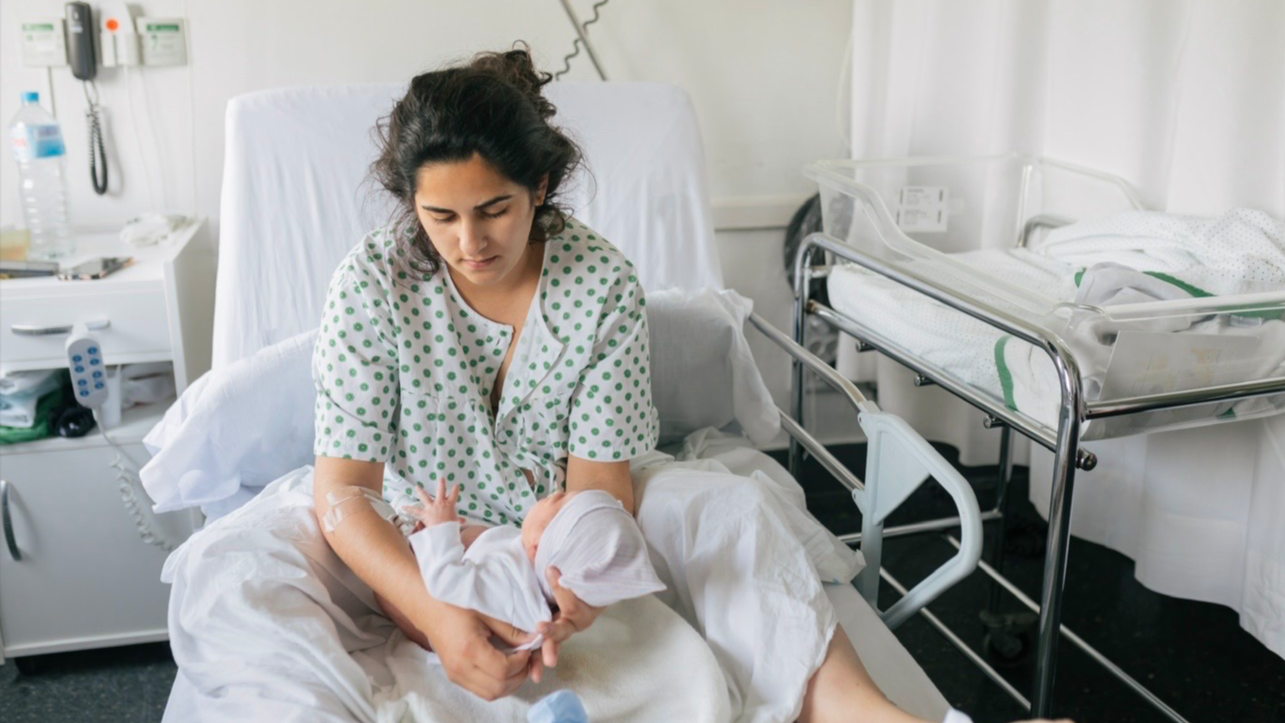










After childbirth, attention shifts rapidly to the baby. Headaches, swollen feet, visual changes, exhaustion and upper abdominal discomfort may be dismissed as part of normal postpartum recovery.
That assumption can be dangerous.
Postpartum preeclampsia is a serious high-blood-pressure disorder that develops after delivery. It can affect women who had preeclampsia during pregnancy, but it can also appear after an apparently uncomplicated pregnancy in someone whose blood pressure was previously normal. Preeclampsia can occur during pregnancy or soon after childbirth and can lead to seizures, stroke, organ injury or fluid in the lungs if severe disease is not recognised and treated. (ACOG)
Quick Answer
Postpartum preeclampsia is high blood pressure with signs of organ dysfunction that develops after childbirth. Warning signs include a severe or persistent headache, vision changes, pain beneath the ribs, shortness of breath, sudden swelling and blood pressure of 140/90 mm Hg or higher. A reading of 160/110 mm Hg or higher, or severe symptoms, requires emergency medical assessment. (ACOG)
What Is Postpartum Preeclampsia?
Postpartum preeclampsia is preeclampsia diagnosed after the baby has been born.
Preeclampsia is not simply “high blood pressure in pregnancy”. It is a multisystem disorder that can affect the brain, liver, kidneys, blood vessels, lungs and blood-clotting system. High blood pressure is a central feature, but clinicians also assess symptoms, urine protein, blood tests and evidence of organ dysfunction.
Postpartum hypertension is the broader term for high blood pressure after birth. It may represent:
- hypertension that began during pregnancy and continues after delivery
- chronic hypertension that existed before pregnancy
- worsening preeclampsia diagnosed before delivery
- new-onset hypertension or preeclampsia after childbirth
These conditions are related, but they are not interchangeable. A woman can have postpartum hypertension without meeting the full criteria for preeclampsia. Conversely, preeclampsia can involve serious organ dysfunction even when protein is not detected in the urine.
When Can Postpartum Preeclampsia Begin?
It most often becomes apparent during the first several days after delivery, but clinically important disease can develop after a woman has left hospital.
Blood pressure does not necessarily fall immediately after birth. It may rise during the early postpartum period, which is one reason a normal reading at discharge does not eliminate later risk.
Postpartum preeclampsia is commonly discussed as occurring within six weeks of delivery, although the exact clinical definition and timing used in research vary. Symptoms arising later still require assessment because other serious cardiovascular, neurological and postpartum conditions can produce similar signs.
The important point is practical: childbirth does not immediately end the risk of a hypertensive disorder.
What Symptoms Should Never Be Dismissed After Birth?
A severe, persistent or unusual headache is one of the most important warning signs.
A postpartum headache may also result from sleep deprivation, dehydration, migraine, medication effects or a spinal or epidural procedure. The symptom becomes more concerning when it:
- is severe or progressively worsening
- does not improve with ordinary measures
- feels different from the woman’s usual headaches
- occurs with visual disturbance
- occurs with high blood pressure
- is accompanied by nausea, vomiting, confusion or weakness
Other warning signs include:
- blurred vision, flashing lights, spots or temporary loss of vision
- severe pain beneath the ribs, particularly on the right side
- severe or persistent upper abdominal pain
- nausea or vomiting that appears after delivery
- sudden swelling of the face or hands
- rapidly worsening swelling
- shortness of breath
- chest pain
- feeling suddenly or profoundly unwell
- reduced urination
- confusion, collapse or seizure
Severe headache, visual disturbance, pain below the ribs and rapidly increasing swelling are recognised warning symptoms that require immediate medical attention. (nhs.uk)
What Most Women Are Not Told: Swollen Feet Are Not the Best Test
Some ankle and foot swelling is common after childbirth. Pregnancy fluid shifts, intravenous fluids given during labour and reduced mobility can all contribute.
The more useful question is not simply, “Are my feet swollen?” It is whether swelling is sudden, rapidly worsening or accompanied by high blood pressure, headache, vision changes, breathing difficulty or upper abdominal pain.
Preeclampsia can also occur without dramatic swelling. The absence of visible oedema does not make severe hypertension safe.
What Blood-Pressure Reading Is Considered High After Birth?
A blood-pressure reading of 140/90 mm Hg or higher is abnormal and warrants clinical advice and assessment, particularly when it is repeated or accompanied by symptoms.
The two numbers describe different phases of blood flow:
- Systolic pressure, the first number, measures pressure when the heart contracts.
- Diastolic pressure, the second number, measures pressure when the heart relaxes between beats.
Either number can be clinically important. A reading does not need both numbers to be elevated.
A reading of 160 mm Hg systolic or 110 mm Hg diastolic is considered severe-range hypertension. Severe blood pressure can increase the risk of stroke and other acute complications and requires urgent treatment rather than routine follow-up. (ACOG)
When to Seek Medical Care
Contact your maternity service or healthcare professional promptly when:
- your blood pressure is 140/90 mm Hg or higher
- you develop a new headache after birth
- swelling suddenly increases
- you have upper abdominal discomfort, nausea or feel unusually unwell
- a previously prescribed blood-pressure medicine does not appear to be controlling your readings
- you have concerns about symptoms even without access to a blood-pressure monitor
Seek urgent or emergency medical care when:
- your blood pressure reaches 160/110 mm Hg or higher
- you have a severe or persistent headache
- you experience blurred vision, flashing lights or other visual disturbance
- you have severe pain beneath the ribs or in the upper abdomen
- you develop shortness of breath or chest pain
- you become confused, collapse or have a seizure
- symptoms are severe, rapidly worsening or feel medically unsafe
Do not wait for a scheduled six-week postpartum appointment when severe symptoms are present.
A home blood-pressure reading can support assessment, but it should not be used to overrule serious symptoms. Seek urgent care for severe headache, vision loss, breathing difficulty, chest pain, seizure or neurological symptoms even when a home reading appears normal.
Continue Learning on Sistapedia
Explore trusted information across fertility, pregnancy, birth, postpartum recovery, breastfeeding, baby and newborn health, hormonal health, menopause and reproductive medicine.
Women come to Sistapedia to learn. Professionals come to educate.
Why Can Preeclampsia Start After the Placenta Has Been Delivered?
Delivery removes the placenta and is the definitive step in treating preeclampsia during pregnancy, but the biological effects do not necessarily disappear immediately.
Preeclampsia involves abnormal vascular and inflammatory processes that develop during pregnancy. After birth, the body still has to redistribute fluid, adjust circulation and recover from the endothelial—or blood-vessel-lining—dysfunction associated with the condition.
Medication, pain, fluid administration and postpartum physiological changes can also affect blood pressure. For some women, disease that was already developing becomes clinically apparent only after delivery.
This is why “the baby is born, so the danger has passed” is a misconception.
Myth: Normal Blood Pressure During Pregnancy Rules It Out
It does not.
Women with gestational hypertension or preeclampsia during pregnancy have an elevated postpartum risk, but new-onset postpartum preeclampsia can occur after normal antenatal blood-pressure readings.
This distinction matters because women without a previous diagnosis may not receive home monitoring or early blood-pressure follow-up. They may also be less likely to interpret a headache or visual change as a postpartum emergency.
Who Is More Likely to Develop Postpartum Preeclampsia?
Risk is higher in women with a history of:
- preeclampsia or gestational hypertension
- chronic hypertension
- kidney disease
- diabetes
- autoimmune disease
- obesity
- multiple pregnancy, such as twins
- hypertensive disease in a previous pregnancy
Age, family history and some pregnancy complications may also affect risk.
Risk factors indicate who requires closer surveillance; they do not determine who will develop the condition. A woman without recognised risk factors can still experience postpartum preeclampsia.
What Most Women Are Not Told: Symptoms Can Be Misclassified as Exhaustion
Postpartum life contains several ready-made explanations for feeling unwell.
A headache may be blamed on lack of sleep. Visual changes may be attributed to fatigue. Nausea may be dismissed as irregular eating. Breathlessness may be interpreted as anxiety. Rib pain may be blamed on pregnancy posture or carrying the baby.
Each explanation is plausible in isolation. The danger lies in assuming rather than assessing.
Symptoms should be considered together. A severe headache plus visual disturbance, upper abdominal pain or elevated blood pressure requires a different response from an ordinary tension headache after a disrupted night.
How Is Postpartum Preeclampsia Diagnosed?
Diagnosis begins with blood-pressure measurement and clinical assessment.
Healthcare professionals may also use:
- repeated blood-pressure readings
- urine testing for protein
- kidney-function blood tests
- liver-function blood tests
- platelet count and other blood tests
- assessment for neurological symptoms
- oxygen measurement
- examination for fluid overload
- chest imaging or cardiac assessment when breathing symptoms are present
Protein in the urine can support a diagnosis, but modern diagnostic assessment is not limited to urine protein. Severe hypertension, low platelets, impaired kidney or liver function, fluid in the lungs, persistent neurological symptoms or visual disturbance may demonstrate severe disease.
This is one reason a negative urine dipstick should not be interpreted by a patient as proof that preeclampsia is absent.
How Is Postpartum Preeclampsia Treated?
Treatment depends on blood-pressure severity, symptoms, test results and whether there are signs of neurological or organ involvement.
Management may include:
- medication to lower blood pressure
- intravenous treatment for acute severe hypertension
- magnesium sulphate to reduce seizure risk in selected patients
- fluid management
- blood and urine monitoring
- neurological, respiratory or cardiac assessment
- hospital observation or admission
- a discharge plan for medication and blood-pressure follow-up
ACOG notes that postpartum preeclampsia may be treated with blood-pressure medication and that intravenous medication may be recommended to prevent seizures. (ACOG)
Treatment does not necessarily prevent breastfeeding. Several commonly used antihypertensive medicines are compatible with breastfeeding, but medication selection and dosing require individual clinical assessment.
Do not stop blood-pressure medication because a single home reading has improved. Postpartum readings can fluctuate, and medication should be changed only under clinical guidance.
Why Follow-Up Must Happen Before the Traditional Six-Week Check
Waiting six weeks is too late for early postpartum blood-pressure surveillance.
ACOG recommends blood-pressure evaluation no later than seven to ten days after birth for women with hypertensive disorders of pregnancy. Women with severe hypertension should be assessed within 72 hours. (ACOG)
Follow-up may involve:
- an in-person maternity review
- a general-practice appointment
- a hospital outpatient service
- telephone-supported home monitoring
- a remote blood-pressure-monitoring program
- medication review
- repeat blood or urine tests
A safe discharge plan should make clear:
- when blood pressure must be checked
- what numbers require a phone call
- what numbers require emergency care
- which symptoms override the numerical reading
- who to contact outside normal hours
- how medication should be taken
- when repeat testing is required
A discharge instruction to “see your doctor if concerned” is not sufficiently specific for a condition that can worsen rapidly.
Does Postpartum Preeclampsia Affect Future Health?
A history of preeclampsia is relevant beyond the postpartum period.
Hypertensive disorders of pregnancy are associated with a higher long-term likelihood of chronic hypertension and cardiovascular disease. The pregnancy history should therefore remain in the woman’s permanent medical record rather than disappearing once postpartum care ends.
Women may need ongoing assessment of:
- blood pressure
- cholesterol
- blood glucose or diabetes risk
- kidney health
- smoking status
- weight and physical activity
- family cardiovascular history
- future pregnancy risk
This does not mean that every woman who has preeclampsia will develop cardiovascular disease. It means that the pregnancy complication provides useful information about future risk and an opportunity for earlier prevention.
ACOG advises women to share a history of pregnancy-related hypertension or preeclampsia with primary-care professionals, and notes that some require additional cardiovascular follow-up. (ACOG)
What Should You Bring to a Medical Appointment?
When symptoms are not immediately life-threatening but require assessment, bring or record:
- the date and time each symptom began
- blood-pressure readings and the times taken
- which arm was used
- your current medicines and doses
- whether you had hypertension or preeclampsia during pregnancy
- whether symptoms improve or worsen with medication
- headache location and severity
- any visual changes
- swelling changes
- breathing symptoms
- upper abdominal or rib pain
- changes in urination
Bringing the home monitor can also allow a clinician to compare it with a clinical device.
Do not delay emergency assessment to complete a symptom diary.
Frequently Asked Questions
Can postpartum preeclampsia happen after a normal pregnancy?
Yes. It can occur in women who had normal blood pressure throughout pregnancy and no antenatal diagnosis of preeclampsia. New symptoms after childbirth still require assessment.
Can postpartum preeclampsia happen after a caesarean or vaginal birth?
Yes. The mode of birth does not eliminate the risk. Postpartum preeclampsia can occur after either vaginal or caesarean delivery.
Is every postpartum headache a sign of preeclampsia?
No. Postpartum headaches have several possible causes. A severe, persistent, unusual or worsening headache—particularly with visual disturbance, high blood pressure, rib pain, breathlessness or neurological symptoms—requires urgent medical assessment.
Can postpartum preeclampsia happen without protein in the urine?
Yes. Proteinuria is one possible diagnostic feature, but clinicians also assess blood pressure, symptoms, blood tests and evidence of organ dysfunction.
How long does postpartum high blood pressure last?
The duration varies. Some women improve over days or weeks, while others require longer monitoring or are later found to have chronic hypertension. Medication should continue until a healthcare professional determines that it can be reduced or stopped.
Can postpartum preeclampsia occur more than once?
Yes. A history of preeclampsia or pregnancy-related hypertension increases risk in a future pregnancy, although individual recurrence risk varies according to the timing, severity and wider medical history.
The Bigger Picture
Postpartum care often concentrates on bleeding, wound healing, feeding and the baby’s wellbeing. Blood pressure receives less attention once a woman leaves the maternity ward, particularly when pregnancy and birth appeared uncomplicated.
That gap matters because postpartum preeclampsia can develop when a woman is sleep-deprived, physically recovering and less able to prioritise her own symptoms. Clear discharge instructions, early blood-pressure review and recognition of neurological, respiratory and abdominal warning signs are not optional extras. They are core maternal-safety measures.
A healthy baby does not prove that the mother is medically safe. Postpartum care must continue to treat her as a patient.
Medical Disclaimer
This article provides general educational information and does not replace personalised medical advice, diagnosis or treatment. Speak with an appropriately qualified healthcare professional about symptoms, medicines, tests or treatment decisions. Seek urgent medical care for severe or rapidly worsening headache, visual disturbance, blood pressure of 160/110 mm Hg or higher, chest pain, shortness of breath, confusion, collapse or seizure.
Secure Your Position Early
Verified Sistas receive a free Pink Tick, signalling genuine, trusted identity across Sistapedia.
Women come to Sistapedia to learn. Professionals come to educate.
If you’re a qualified Medical Doctor, Registered Nurse, Healthcare Practitioner, Expert, Product or Brand in women’s health, select the Verification tab in your profile and apply for Crown Verification.
Start publishing content, join our global directories, and secure your position among the trusted leaders shaping the future of women’s health.
Select the Verification tab in your profile to get started.
Sources
- American College of Obstetricians and Gynecologists. “Preeclampsia and High Blood Pressure During Pregnancy.” ACOG patient guidance. Current online guidance.
- American College of Obstetricians and Gynecologists. “3 Conditions to Watch for After Childbirth.” ACOG, current online guidance.
- American College of Obstetricians and Gynecologists. “Optimizing Postpartum Care.” Committee Opinion No. 736, 2018, reaffirmed guidance.
- American College of Obstetricians and Gynecologists. “Gestational Hypertension and Preeclampsia.” Practice Bulletin No. 222, 2020.
- Society for Maternal-Fetal Medicine. “Hypertension in Pregnancy and Postpartum.” Hypertension in Pregnancy Change Package and patient-safety resources, updated resources available through 2026.
- National Health Service. “Pre-eclampsia.” NHS patient guidance, current online version.
- American College of Obstetricians and Gynecologists. “7 Things to Know About Preeclampsia.” Current online guidance.



 Google