Smart Rings and Women’s Health: What Can Wearables Actually Detect?



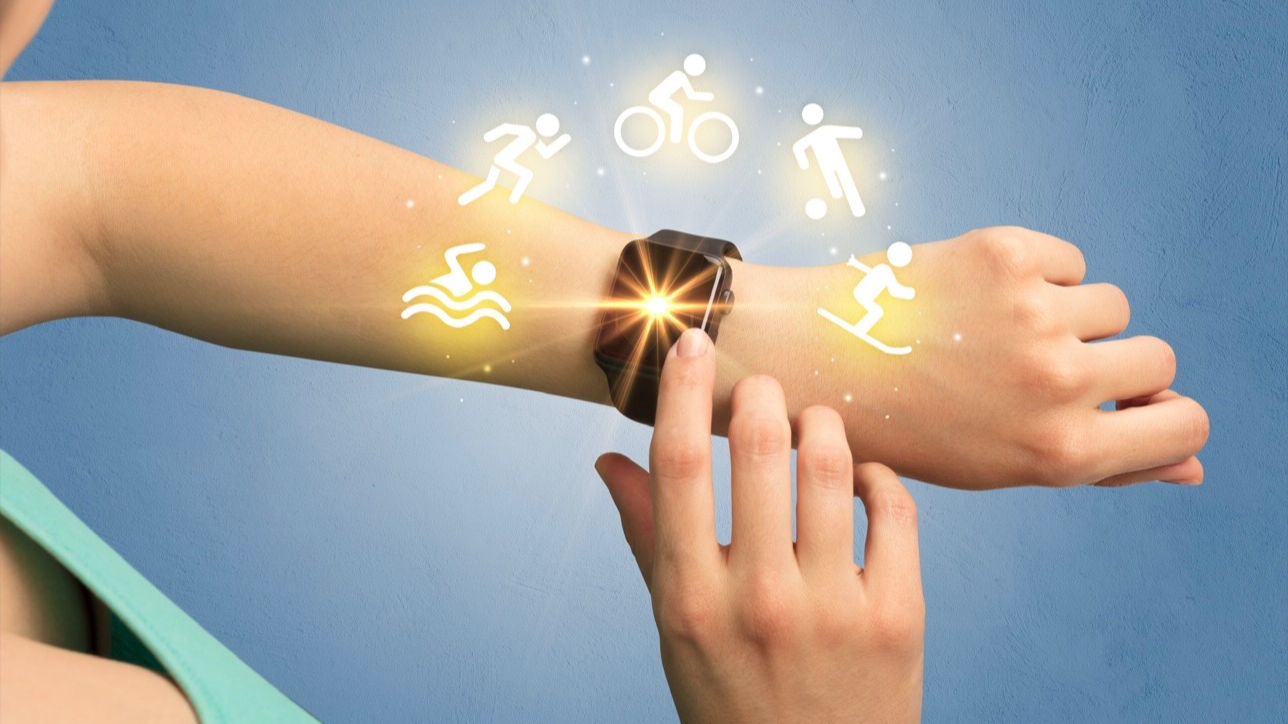









A ring on your finger can now collect thousands of physiological measurements while you sleep. For women, that creates an appealing possibility: could a wearable detect ovulation, explain cycle changes, identify pregnancy, flag perimenopause or even warn that something is wrong before symptoms become obvious?
The answer is more nuanced than the marketing around wearable health technology sometimes suggests.
Smart rings can identify patterns in temperature, heart rate, heart-rate variability, sleep and other physiological signals that change across the menstrual cycle. Some technologies can estimate cycle phases and ovulation with useful accuracy. But most consumer wearables are not diagnostic devices, and a physiological pattern is not the same thing as a medical diagnosis.
Smart rings are increasingly capable of detecting physiological changes associated with menstrual cycles, ovulation, sleep, recovery and other aspects of women’s health. Their strongest value is longitudinal pattern recognition: comparing your body with its own baseline over time. They cannot independently diagnose PCOS, endometriosis, infertility, pregnancy complications or menopause.
Why a Smart Ring Can See More Than a Period-Tracking Calendar
Traditional period trackers depend heavily on information entered by the user: when bleeding started, how long it lasted and what symptoms occurred.
A wearable adds another layer—continuous physiological data.
Depending on the device, a smart ring may measure:
- skin temperature trends;
- resting heart rate;
- heart-rate variability (HRV);
- respiratory rate;
- sleep duration and stages;
- movement and activity;
- blood oxygen-related measurements.
That matters because reproductive hormones do not only affect the ovaries and uterus. Hormonal changes can influence body temperature, cardiovascular function, sleep and other systems.
Progesterone is one of the clearest examples.
After ovulation, progesterone rises during the luteal phase of the menstrual cycle and produces a small increase in body temperature. Oura notes that menstrual-cycle temperature shifts are generally around 0.3°C to 0.7°C. (Oura Ring)
A ring worn consistently overnight can look for this pattern rather than relying entirely on an assumed 28-day cycle.
That distinction is important because human menstrual cycles are not clocks.
Can Smart Rings Detect Ovulation?
This is one of the most promising reproductive-health applications.
Ovulation itself cannot simply be “seen” by a consumer ring. Instead, algorithms analyse physiological changes that occur around it.
Research is increasingly supporting this approach. In data published by Oura for clinicians, its ring detected ovulation in 96.4% of evaluated cycles, with 87.9% of detections falling within two days of the ovulation date when positive luteinising hormone (LH) tests were used as the reference. The mean absolute error reported for the ring was 1.26 days, compared with 3.44 days using a calendar method. (Oura Ring)
That does not mean a ring can predict the exact moment an egg is released.
There is also an important distinction between predicting ovulation and confirming that physiological changes consistent with ovulation have occurred.
Temperature generally rises after ovulation because progesterone has increased. This makes temperature particularly useful for recognising the transition into the luteal phase retrospectively.
Oura’s current Cycle Insights system, for example, states that several days of temperature data may be required before ovulation is confirmed. (Oura Support)
For someone trying to conceive, that information may make cycle patterns easier to understand. But fertility decisions should not automatically be based on a consumer wearable alone.
Can a Smart Ring Tell You When Your Period Is Coming?
Potentially—with more information than a calendar alone.
Many conventional apps predict the next period by calculating forward from previous dates. That works reasonably well when cycles are highly regular, but becomes less reliable when cycle length changes.
Smart rings can combine menstrual history with physiological measurements.
For example, Oura’s current system uses temperature trends alongside signals including HRV to produce period predictions. Predictions continue to adjust as more individual data becomes available. (Oura Support)
The key advantage is personalisation.
A wearable is not asking only, “What usually happens to women on cycle day 26?”
It can increasingly ask, “What is happening in this person’s physiology compared with her previous cycles?”
That is where wearables become genuinely interesting for women’s health.
Tracking a changing cycle or reproductive-health symptom? Create your free Sistapedia® profile to access trusted information and discover verified reproductive-health professionals.
What About Irregular Cycles?
This is also where limitations become clearer.
Irregular menstruation may occur for many reasons, including:
- adolescence;
- perimenopause;
- polycystic ovary syndrome (PCOS);
- thyroid disorders;
- pregnancy;
- breastfeeding;
- substantial changes in weight or energy availability;
- intense exercise;
- illness or stress;
- some medications;
- hormonal contraception.
A wearable may show that your pattern has changed. It generally cannot tell you why.
For example, repeated cycles without a clear post-ovulatory temperature shift could be consistent with anovulation—cycles in which ovulation does not occur—but that is not sufficient to establish a diagnosis or identify its cause.
This distinction matters.
The technology may be good at recognising an unusual signal while remaining poor at determining the clinical explanation behind it.
Can Wearables Identify Menstrual-Cycle Phases?
Evidence is developing rapidly.
A 2025 study published in npj Women’s Health examined machine-learning identification of menstrual phases using physiological data from a wrist-worn device, including skin temperature, heart rate, electrodermal activity and interbeat intervals. The research illustrates a broader shift away from calendar-only tracking towards multi-signal physiological modelling. (Nature)
This does not mean every wearable algorithm performs equally well.
Algorithms differ. Sensors differ. Validation populations differ. Women with irregular cycles may also be underrepresented in datasets used to train or test some systems.
A device’s ability to recognise cycle phases therefore needs to be evaluated separately from the general concept of wearable cycle tracking.
Can a Smart Ring Detect Pregnancy?
Not reliably enough to replace a pregnancy test.
Early pregnancy causes physiological changes that a wearable may notice. Temperature can remain elevated, resting heart rate may change, sleep may shift and other signals may move away from an individual’s baseline.
But these changes are not specific to pregnancy.
Illness, stress, travel, alcohol, sleep disruption and other factors can affect some of the same measurements.
A wearable pattern might prompt someone to take a pregnancy test, but pregnancy should be confirmed using validated testing rather than interpreted from ring data.
Once pregnancy is known, some devices now provide dedicated pregnancy tracking. Oura, for example, offers Pregnancy Insights and adjusts its cycle features during and after pregnancy. (Oura Support)
That is very different from diagnosing pregnancy.
What Can Smart Rings Tell Women About Perimenopause?
Perimenopause presents a particularly interesting challenge for wearable technology because the transition can involve changing cycles, sleep disruption, vasomotor symptoms such as hot flashes and shifts in temperature regulation.
A wearable may help someone document changes occurring over months or years.
It may reveal that:
- sleep has become more fragmented;
- night-time temperature patterns have changed;
- resting heart rate or HRV differs from previous baselines;
- cycle lengths are becoming more variable.
Some wearable platforms are now explicitly developing features around perimenopause. Oura’s current women’s-health suite, for example, includes a perimenopause feature alongside cycle and pregnancy tools. (Oura Support)
But perimenopause remains a clinical life-stage assessment, not something a ring should independently diagnose.
This is particularly important because symptoms associated with perimenopause can overlap with thyroid disease, anaemia, sleep disorders, mood disorders and other health conditions.
Can a Smart Ring Detect PCOS or Endometriosis?
Not currently as a standalone diagnostic tool.
This is an area where consumers need to be particularly cautious about the difference between data collection and diagnosis.
PCOS is diagnosed using clinical criteria that may involve menstrual and ovulatory history, signs or biochemical evidence of androgen excess and ovarian findings, while excluding other possible causes.
Endometriosis likewise cannot be established simply because a wearable records poor sleep, elevated resting heart rate, pain-related physiological stress or cycle changes.
Wearables could nevertheless become valuable research tools.
Long-term datasets may reveal physiological patterns associated with symptoms, flare-ups or different stages of disease. Machine learning may eventually identify signals that improve screening or clinical decision-making.
That remains different from a consumer device telling someone: “You have endometriosis.”
Why Your Baseline Matters More Than Someone Else’s Number
Perhaps the most useful principle in wearable health is also the least dramatic.
Your trend is often more meaningful than another person’s number.
Skin-temperature deviations, resting heart rate and HRV can vary considerably between people. A smart ring’s strength comes from repeated measurement under relatively consistent conditions.
Over weeks and months, the device establishes a personal baseline.
A persistent deviation from that baseline may therefore be more informative than comparing your measurement with a generic population average.
This is why wearables may eventually become particularly useful in women’s health: reproductive physiology changes across puberty, menstrual cycles, pregnancy, postpartum recovery, perimenopause and menopause.
A static “normal” value cannot capture that complexity particularly well.
Longitudinal data can.
Smart Rings Are Not Medical Oracles
The risk comes when detailed data creates an illusion of certainty.
More measurements do not automatically equal more knowledge.
A ring might detect an elevated temperature without knowing whether the cause is progesterone, infection, disrupted sleep or environmental conditions.
It may identify an unusual cycle without identifying PCOS.
It may observe cardiovascular changes without diagnosing pregnancy.
It may document worsening sleep during perimenopause without determining whether sleep apnoea is also present.
Wearable data should therefore be considered another piece of health information—not a replacement for history-taking, examination, laboratory testing, imaging or clinical judgement.
Regulatory status matters too.
A consumer wellness feature and a regulated medical device are not equivalent. Oura explicitly states that its own Fertile Window feature is intended for cycle tracking and trying-to-conceive visibility rather than birth control, while its integration with Natural Cycles connects users to a separate FDA-cleared Class II medical device. (Oura Support)
That distinction should always be clear before relying on wearable information for a medical or contraceptive decision.
When to Seek Professional Medical Assessment
Wearable data becomes most useful when it adds context to a conversation rather than replacing one.
Consider discussing your cycle with a healthcare professional if you notice persistent changes such as substantially altered cycle length, very heavy bleeding, prolonged absence of menstruation when pregnancy is not the explanation, persistent pelvic pain or repeated evidence that ovulation may not be occurring.
Seek medical assessment based on your symptoms even when the wearable says everything appears normal. Algorithms can miss clinically important problems.
Likewise, an unusual wearable reading without symptoms does not necessarily mean something is wrong.
If possible, bring several months of cycle dates, symptoms and relevant wearable trends to an appointment. Pattern information can be more useful than one isolated reading.
The Future Is Not the Ring—It Is the Data
The real significance of smart rings may eventually extend well beyond today’s period predictions.
Wearable devices can generate continuous longitudinal health datasets that historically did not exist outside research environments.
That creates opportunities for researchers to study how menstrual cycles interact with sleep, cardiovascular physiology, fertility, pregnancy, menopause and chronic reproductive-health conditions at scale.
It also creates substantial questions about algorithm quality, clinical validation and reproductive-data privacy.
The strongest future technology will not simply collect more information.
It will need to demonstrate that the information it produces is accurate, clinically meaningful and useful for the woman making a health decision.
For now, smart rings are best understood as sophisticated pattern-recognition tools.
They can show women signals that were once difficult to observe.
They cannot yet explain every signal they find.
FAQs
Can a smart ring accurately tell when I ovulate?
Some validated wearable algorithms can estimate ovulation more accurately than calendar prediction alone by analysing temperature and other physiological signals. Accuracy varies by device and individual, and wearable estimates should not automatically replace clinical fertility assessment or validated contraception methods.
Can an Oura Ring tell if I am pregnant?
Physiological patterns recorded by a ring may change during early pregnancy, but they are not specific enough to confirm pregnancy. Use an appropriate pregnancy test and seek clinical assessment where required.
Can a smart ring detect PCOS?
A smart ring cannot independently diagnose PCOS. It may identify irregular cycles, temperature patterns or possible changes in ovulation that could provide useful information to discuss with a healthcare professional.
Are smart rings reliable for birth control?
Do not assume that a general cycle-tracking feature is approved for contraception. Regulatory status varies by product and feature. Some wearables integrate with regulated contraceptive technologies, but these should be distinguished from general wellness or fertile-window tracking features.
Are smart rings useful during perimenopause?
They may be useful for documenting longitudinal changes in sleep, temperature, cardiovascular measurements and menstrual-cycle variability. These patterns can provide useful personal information, but they do not independently diagnose perimenopause or exclude other medical causes of symptoms.
Continue on Sistapedia®
For Sistas: Create your free Sistapedia® profile and continue exploring trusted reproductive-health information and verified professionals.
Share your experience: Your experience with cycle tracking or wearable health technology could help another woman understand her own. Share your story on Sistapedia® and apply for your free Pink Tick verification.
For healthcare professionals and experts: Establish your verified professional presence, publish educational content and strengthen discovery across the Sistapedia® ecosystem. Apply for Crown Verification through the Verification tab in your Sistapedia® profile.



 Google