The Quiet Fertility Mistake Almost No One Is Talking About



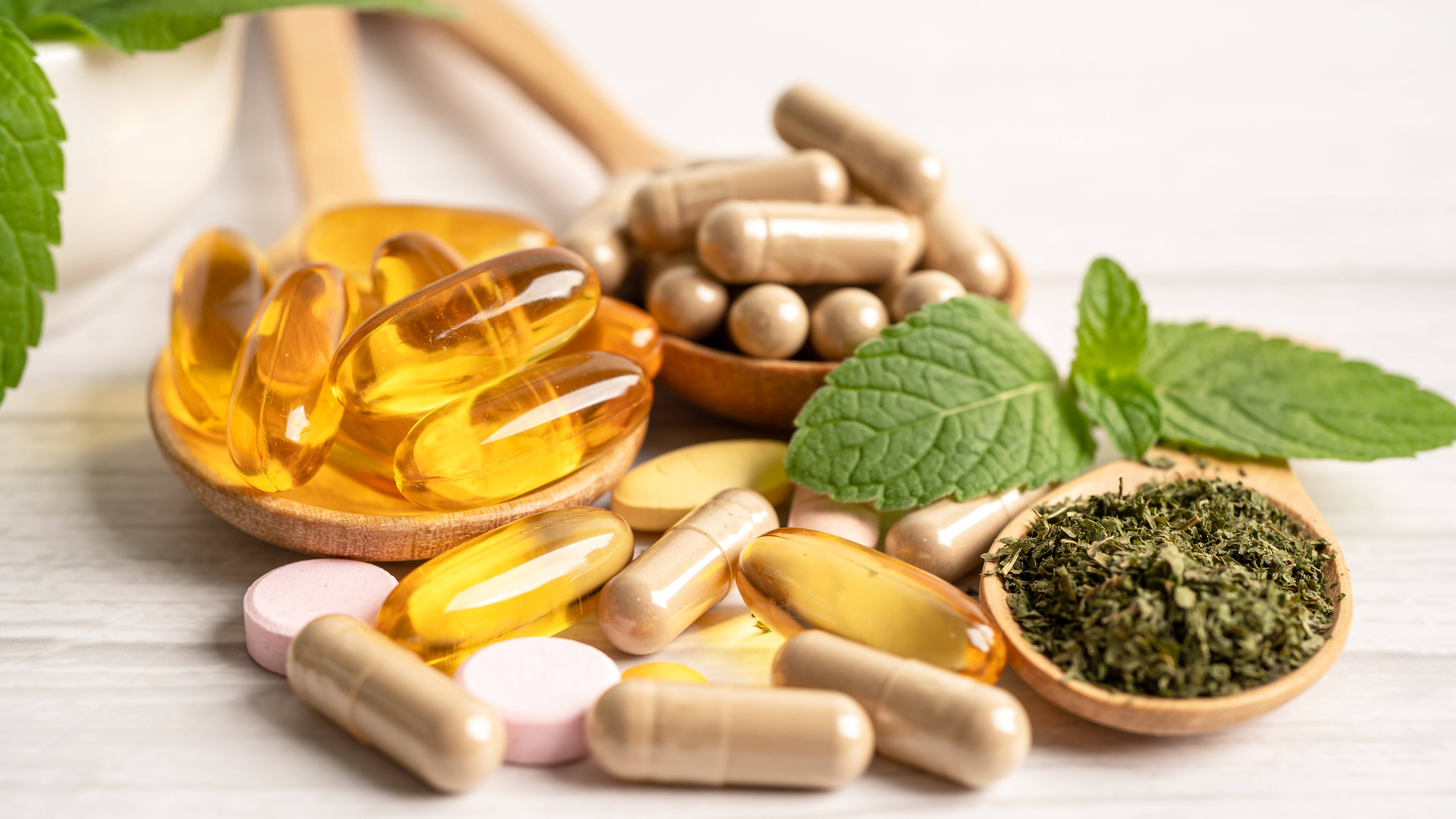










If you’re trying to conceive in 2025, chances are your supplement routine looks something like this:
A prenatal.
CoQ10.
Vitamin D.
Omega-3.
Inositol.
Iron.
Zinc.
Magnesium.
An antioxidant blend.
Something recommended in a Facebook group.
Something else recommended by TikTok.
It feels responsible. Proactive. Smart.
But here’s the uncomfortable truth doctors are now raising behind closed doors:
Many women TTC are taking too many supplements — and it’s backfiring.
This isn’t about doing “too much.”
It’s about being given too little clarity.
How Supplement Culture Took Over Fertility
The fertility space exploded online over the last five years. With it came:
• biohacking culture
• influencer protocols
• “my IVF stack” videos
• supplement brand partnerships
• fear-based messaging
• the idea that more = better
Women were taught that if conception wasn’t happening, the answer was to add something else.
But fertility physiology doesn’t work like a shopping cart.
Why “More Supplements” Isn’t the Same as “Better Fertility”
Your reproductive system is governed by balance, not abundance.
When supplement intake becomes excessive, several things can happen:
• nutrient competition (one blocks absorption of another)
• liver overload
• oxidative stress instead of reduction
• disrupted thyroid function
• altered insulin signalling
• hormone interference
• gastrointestinal inflammation
• inaccurate blood results
Ironically, many women who feel “low energy” or “hormonal” while TTC are reacting to over-supplementation, not deficiency.
The Most Common Supplement Mistakes Women TTC Make
Let’s break down what clinicians are seeing most often.
Taking Multiple Products That Contain the Same Nutrient
This is the biggest issue.
A prenatal + a separate vitamin often means women are unknowingly doubling or tripling:
• folate
• vitamin A
• iron
• zinc
• selenium
• iodine
Some of these are harmful in excess, especially preconception and early pregnancy.
Assuming Antioxidants Are Always Helpful
Antioxidants like CoQ10, resveratrol, and NAC are popular for egg quality.
But in high doses, antioxidants can flip into pro-oxidants, increasing cellular stress rather than reducing it.
Egg quality benefits from precision, not extremes.
Supplementing Without Testing
Many women supplement iron, B12, iodine, or vitamin D without ever checking levels.
This can lead to:
• iron overload
• thyroid disruption
• masked deficiencies
• false reassurance
Bloodwork matters. Guessing doesn’t.
Copying Someone Else’s Protocol
The most dangerous supplement plan is someone else’s.
What worked for a woman with PCOS, insulin resistance, or IVF cycles may actively harm a woman with a different hormonal profile.
Fertility is personal. Supplements should be too.
How Supplement verload Can Delay Conception
Clinicians are seeing delayed conception linked to:
• suppressed ovulation
• altered cervical mucus
• inflammation
• irregular cycles
• fatigue and nausea
• worsened anxiety
• gut absorption issues
Women assume something is “wrong” with their fertility — when in reality, their bodies are overwhelmed.
The Psychological Toll No One Mentions
There’s another cost to supplement overload: mental load.
Women report:
• anxiety if they miss a dose
• fear they’re “not doing enough”
• guilt around food choices
• pressure to constantly optimise
• obsession with protocols
This stress alone can suppress ovulation and disrupt cycles.
Fertility doesn’t thrive under constant pressure.
What Doctors Actually Recommend in 2025
Here’s the shift happening quietly in fertility clinics:
Less stacking. More strategy.
Most specialists now recommend:
• a high-quality prenatal
• targeted supplementation only if bloodwork supports it
• clear stop/start timelines
• periodic reassessment
• discontinuation once pregnancy is achieved
The goal isn’t maximal supplementation.
It’s optimal physiology.
How to Simplify Your TTC Supplement Routine Safely
If you’re overwhelmed, here’s a smarter reset:
• pause unnecessary extras
• review everything you’re taking (including “natural” products)
• get updated bloodwork
• work with a qualified clinician
• prioritise sleep, nutrition, and stress regulation
• remember that food and rest still matter more than capsules
You don’t need to earn pregnancy through exhaustion.
The Bigger Picture: Fertility Isn’t a Performance
Women in 2025 are trying harder than ever to “do fertility right.”
But fertility isn’t about effort.
It’s about alignment.
Your body doesn’t need perfection.
It needs support.
For Sista’s
- Join Sistapedia to access trusted reproductive health information without overwhelm — and turn your lived experience into connection, influence, and community.
- Apply for free Pink Tick verification as a Sista and be recognised as a real, verified woman helping shape safer conversations in reproductive health.
- Build your own communities, connect with women on the same journey, and learn directly from Crown Verified experts you can trust.
For Experts / Specialists / Healthcare Practitioners
- Apply for Crown Verification on Sistapedia and become a trusted, visible leader in reproductive health — not just another voice online.
- Position yourself as an authority women actively seek out, follow, and learn from — while shaping the future of women’s health conversations.