Why Some Women Experience Severe PMS — And Why It’s More Than “Just Hormones



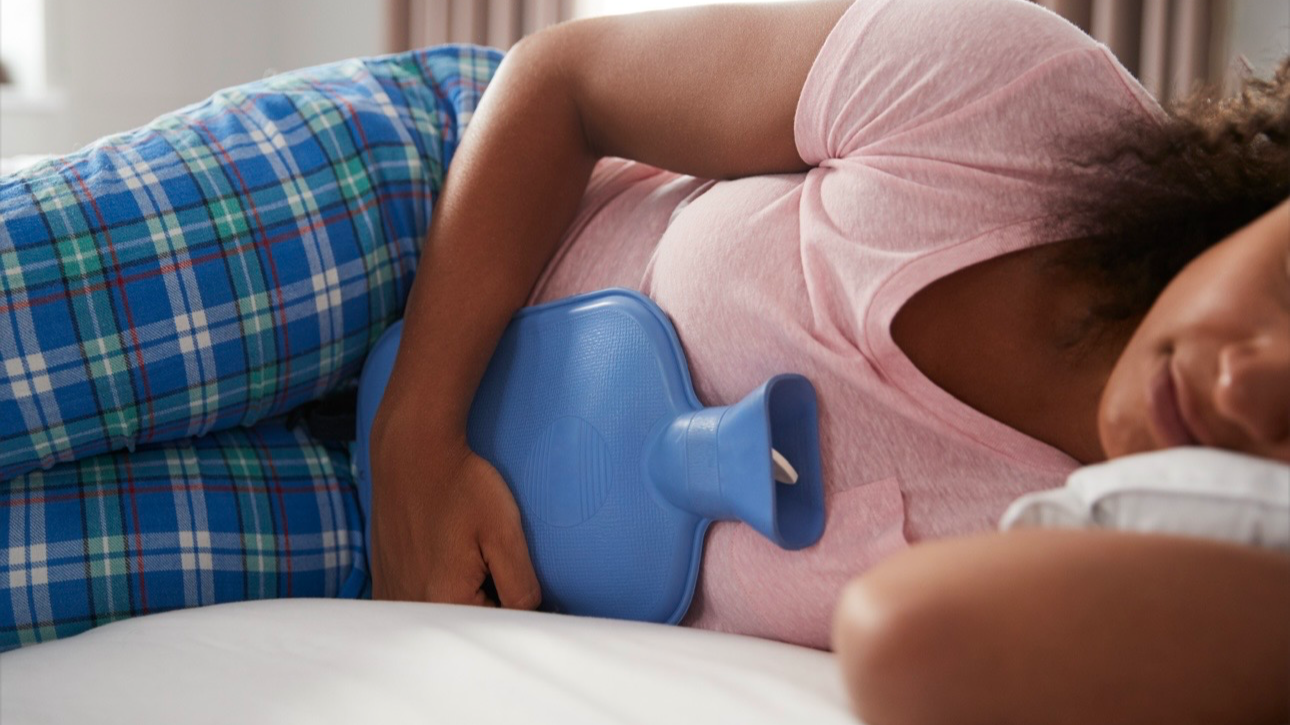








For some women, PMS is mild.
A few cramps.
Temporary bloating.
Mood changes that pass quickly.
For others, it feels completely different.
The week before a period can bring:
- exhaustion
- irritability
- anxiety
- emotional overwhelm
- headaches
- insomnia
- brain fog
And many women are told to dismiss it as:
“just hormones.”
But severe PMS is not simply moodiness or low tolerance.
It reflects complex interactions between hormones, the brain, sleep, stress systems, inflammation, and nervous system sensitivity.
And for some women, the symptoms become significant enough to affect work, relationships, and quality of life every month.
Quick Answer
Severe PMS occurs when hormonal fluctuations before menstruation significantly affect the brain, nervous system, mood, energy, and physical symptoms. While estrogen and progesterone shifts play a major role, factors such as stress, sleep, inflammation, insulin resistance, and neurotransmitter sensitivity can intensify symptoms.
What Is PMS?
Premenstrual Syndrome (PMS) refers to physical, emotional, and cognitive symptoms that occur before menstruation.
Symptoms commonly appear during the luteal phase of the menstrual cycle — after ovulation and before bleeding begins.
PMS may include:
- mood changes
- bloating
- fatigue
- breast tenderness
- headaches
- irritability
- sleep disruption
Symptoms usually improve once menstruation starts.
Why do some women experience severe PMS?
Hormones fluctuate in all women.
But not all women respond to those fluctuations in the same way.
Research suggests that some women are more neurologically sensitive to hormonal shifts, particularly changes involving:
- estrogen
- progesterone
- serotonin activity
This means the issue is often not hormone levels alone — but how the brain and nervous system respond to hormonal change.
How do hormones affect mood before a period?
Estrogen and progesterone influence several brain systems connected to mood and emotional regulation.
These hormones affect:
- serotonin
- dopamine
- GABA pathways
- stress response systems
As hormone levels fluctuate before menstruation, some women experience:
- increased anxiety
- emotional sensitivity
- irritability
- low mood
For women with heightened sensitivity, these shifts feel much more intense.
Why does PMS affect energy and motivation?
Many women report feeling:
- exhausted
- mentally flat
- unmotivated
- cognitively slower
before their period.
Hormonal shifts can influence:
- sleep quality
- blood sugar regulation
- inflammation
- nervous system function
This affects both physical and mental energy.
PMS is not purely emotional—it is systemic.
Looking for real, verified information in women’s health?
Join Sistapedia and access trusted voices across every stage of the reproductive lifecycle.
Can stress make PMS worse?
Yes.
Stress does not “cause” PMS, but it can amplify symptoms significantly.
Chronic stress affects:
- cortisol regulation
- sleep
- nervous system sensitivity
- inflammatory pathways
This may intensify:
- mood changes
- fatigue
- headaches
- emotional reactivity
For many women, PMS becomes worse during periods of prolonged stress or burnout.
What is PMDD—and how is it different from PMS?
Premenstrual Dysphoric Disorder (PMDD) is a more severe form of premenstrual mood disturbance.
Symptoms may include:
- severe depression
- panic
- rage
- emotional instability
- intrusive thoughts
PMDD is not simply “bad PMS.”
It is a clinically significant condition requiring proper assessment and support.
Why PMS is often dismissed
Women’s cyclical symptoms have historically been minimized.
Many women are told they are:
- overreacting
- emotional
- too sensitive
instead of having their symptoms properly assessed.
This leads many women to normalize severe suffering for years.
But severe PMS affecting:
- work
- relationships
- emotional stability
- physical wellbeing
deserves attention.
What most women are not told
PMS symptoms are influenced by more than reproductive hormones alone.
Factors that may affect symptom severity include:
- sleep quality
- nervous system regulation
- insulin resistance
- stress load
- inflammation
- mental health history
This is why symptom patterns vary dramatically between women.
Can lifestyle factors improve PMS symptoms?
For some women, symptoms improve when broader health factors are supported.
This may include:
- improving sleep
- stabilizing blood sugar
- reducing chronic stress
- supporting physical activity
- medical or hormonal treatment where appropriate
Management is individualized because symptom drivers differ between women.
When should you seek professional support?
You should seek medical advice if PMS symptoms:
- significantly affect daily life
- disrupt relationships or work
- involve severe anxiety or depression
- worsen over time
- feel emotionally unmanageable
Women should not feel expected to “push through” severe symptoms every month without support.
Frequently Asked Questions
Is severe PMS normal?
PMS is common, but severe symptoms affecting daily functioning should be assessed.
Can PMS cause anxiety?
Yes. Hormonal fluctuations can significantly affect anxiety and emotional regulation.
What is the difference between PMS and PMDD?
PMDD is a more severe mood disorder linked to the menstrual cycle.
Does PMS get worse with age?
For some women, symptoms intensify during perimenopause due to hormonal variability.
The Bigger Picture
PMS is often framed as a minor inconvenience.
But for many women, it affects:
- cognition
- emotional regulation
- relationships
- productivity
- physical wellbeing
Understanding PMS as a neurological, hormonal, and systemic issue—not simply “moodiness”—changes the conversation completely.
And that shift matters.
Sistapedia is a trusted destination for women’s health.
Verified Sista’s are identified with a free Pink Tick — signalling genuine, trusted identity within the community.
If you’re a qualified:
- Medical Doctor (MD)
- Registered Nurse (RN)
- Healthcare Practitioner
- Expert
- Product or Brand in women’s health
you can apply for Crown Verification — recognising trusted professionals, experts, products, and brands across women’s health.
Crown Verified participants help shape trusted education, visibility, and leadership across fertility, pregnancy, postpartum recovery, hormonal health, menopause, reproductive medicine, and women’s health innovation.
Early category leadership discussions within the growing SistaShop™ ecosystem are now underway.
DM for strategic positioning.



 Google