Why Endometriosis Takes Years to Diagnose: The Hidden Cost of Women’s Pain



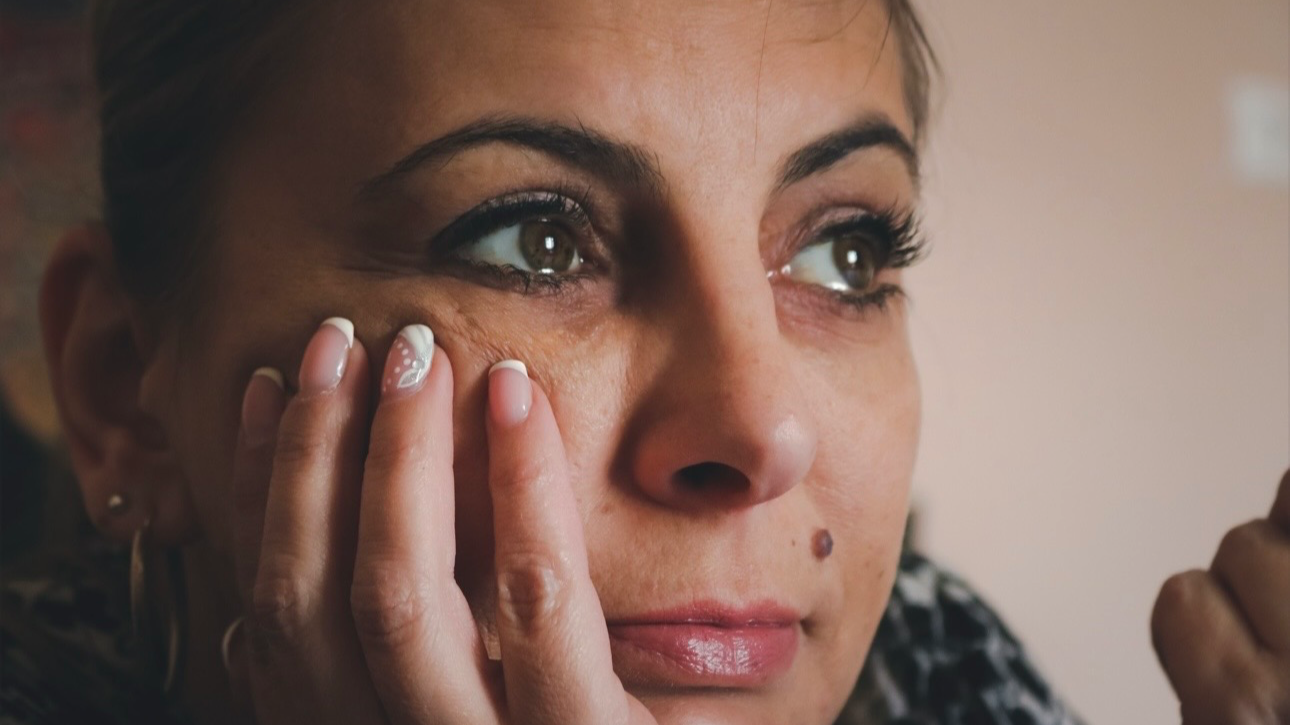










For many women, endometriosis begins with a sentence they hear repeatedly:
“Painful periods are normal.”
So they push through.
They go to school in pain.
They work in pain.
They parent in pain.
They exercise in pain.
They have sex in pain.
And often, they do this for years before receiving a diagnosis.
Endometriosis affects an estimated 1 in 9 women in Australia and millions worldwide. Yet despite its prevalence, diagnosis frequently takes many years.
The result is not only physical suffering, but also lost productivity, fertility challenges, relationship strain, and significant impacts on mental health.
Endometriosis is far more than “bad periods.”
It is a chronic inflammatory disease.
And for many women, the pain extends well beyond menstruation
Quick Answer
Endometriosis occurs when tissue similar to the lining of the uterus grows outside the uterus. These lesions can trigger inflammation, scarring, and chronic pain. Diagnosis often takes years because symptoms vary widely, overlap with other conditions, and menstrual pain is frequently normalized.
What Is Endometriosis?
Endometriosis occurs when tissue resembling the endometrium grows outside the uterus.
These growths may be found on:
- ovaries
- fallopian tubes
- pelvic lining
- bowel
- bladder
- ligaments
- diaphragm
Each month, these tissues respond to hormonal changes.
Unlike menstrual blood leaving the body, these lesions can trigger:
- inflammation
- irritation
- scar formation
- adhesions
Over time, chronic inflammation may contribute to ongoing pain.
Why Does Endometriosis Cause So Much Pain?
Pain in endometriosis is complex.
It is not simply about the amount of tissue present.
Some women with extensive disease have few symptoms.
Others with minimal disease experience severe pain.
Pain may arise from:
- inflammation
- nerve involvement
- adhesions
- muscle dysfunction
- central nervous system sensitization
This helps explain why symptoms vary dramatically between women.
What Does Endometriosis Pain Feel Like?
Symptoms differ from person to person.
Women may experience:
- severe menstrual cramps
- chronic pelvic pain
- lower back pain
- painful ovulation
- painful intercourse
- bowel pain
- painful urination
- bloating
- fatigue
Some women describe the pain as:
- stabbing
- burning
- pulling
- cramping
- radiating
Importantly, symptoms can occur throughout the month—not only during periods.
Why Does Diagnosis Take So Long?
Historically, endometriosis has been under-recognized.
Symptoms often overlap with:
- irritable bowel syndrome (IBS)
- bladder disorders
- musculoskeletal pain
- gastrointestinal conditions
Many women are also told:
- “Periods are supposed to hurt.”
- “You’ll grow out of it.”
- “Pregnancy will fix it.”
- “It’s just stress.”
These messages can delay investigation.
What Most Women Are Not Told #1
Severe period pain that interferes with school, work, or daily activities is not considered normal.
Pain significant enough to regularly disrupt life deserves medical assessment.
Can Endometriosis Affect Fertility?
Yes.
Endometriosis may affect fertility through several mechanisms:
- inflammation
- altered pelvic anatomy
- scarring
- reduced egg quality
- impaired implantation
However, many women with endometriosis do conceive naturally.
A diagnosis does not automatically mean infertility.
Fertility outcomes vary widely between individuals.
Why Do Some Women Experience Pain Even After Surgery?
Surgery can be life-changing for some women.
But for others, pain persists.
This occurs because chronic pain is not always driven solely by visible lesions.
Long-term pain can affect the nervous system itself.
Over time, the brain and spinal cord may become more sensitive to pain signals—a process known as central sensitization.
This means pain may continue even after lesions are removed.
Looking for trusted women’s health information?
Join Sistapedia to access evidence-based articles, expert insights, and verified voices across fertility, pregnancy, postpartum recovery, hormonal health, menopause, and reproductive medicine.
Is Endometriosis Only a Reproductive Disease?
No.
Endometriosis affects far more than reproduction.
Women commonly report impacts on:
- education
- careers
- relationships
- exercise
- sleep
- mental health
Research increasingly recognizes endometriosis as a whole-body inflammatory condition with broad health implications.
What Most Women Are Not Told #2
Endometriosis symptoms do not always correlate with disease severity.
A woman experiencing severe pain may have relatively small lesions, while another with extensive disease may have few symptoms.
Pain is real regardless of disease stage.
Can Endometriosis Affect Mental Health?
Living with chronic pain can significantly affect emotional wellbeing.
Women with endometriosis may experience:
- anxiety
- depression
- social isolation
- reduced quality of life
This does not mean the pain is psychological.
It means chronic physical symptoms affect mental health—as they would with any long-term illness.
Both deserve care.
How Is Endometriosis Diagnosed?
Diagnosis may involve:
- medical history
- pelvic examination
- ultrasound
- MRI
- specialist review
Historically, surgery was considered the gold standard for diagnosis.
Today, imaging and clinical assessment increasingly contribute to earlier recognition.
However, diagnosis remains challenging.
Is There a Cure for Endometriosis?
Currently, there is no known cure.
Management depends on:
- symptom severity
- fertility goals
- age
- personal preferences
Treatment approaches may include:
- pain management
- hormonal therapy
- surgery
- physiotherapy
- lifestyle strategies
- fertility treatment where appropriate
Management is individualized.
No single treatment works for every woman.
What Most Women Are Not Told #3
Endometriosis is often invisible.
Many women look healthy while living with significant pain every day.
Invisible illness can make it harder for others to understand the impact.
That does not make the symptoms any less real.
When Should You Seek Medical Advice?
Medical review should be considered if you experience:
- severe menstrual pain
- pain during sex
- chronic pelvic pain
- fertility difficulties
- symptoms affecting daily life
Earlier recognition may improve symptom management and reproductive outcomes.
Frequently Asked Questions
Can endometriosis get worse with age?
Symptoms may change over time, although progression varies between individuals.
Does pregnancy cure endometriosis?
No. Symptoms may temporarily improve for some women, but pregnancy is not considered a cure.
Can teenagers develop endometriosis?
Yes. Symptoms may begin during adolescence.
Can endometriosis return after surgery?
Yes. Recurrence can occur in some women.
The Bigger Picture
Endometriosis is one of the most common—and most misunderstood—women’s health conditions.
For too long, women have been told their pain is normal.
It is not.
Pain that disrupts education, work, relationships, or quality of life deserves investigation.
Earlier recognition leads to earlier support.
And women deserve both.
Secure your position early.
Verified Sista’s receive a free Pink Tick, signalling genuine, trusted identity across Sistapedia.
Women come to Sistapedia to learn. Professionals come to educate.
If you’re a Medical Doctor, Registered Nurse, Healthcare Practitioner, Expert, Product or Brand in women’s health, visit the Verification tab in your profile and apply for Crown Verification.
Start publishing content, join our global directories, and secure your position among the trusted voices shaping women’s health.
Select the Verification tab in your profile to get started.


2 replies on “Why Endometriosis Takes Years to Diagnose: The Hidden Cost of Women’s Pain”
Leave a Reply
You must be logged in to post a comment.


 Google
This was an excellent and informative article.
very informative article.