Tag: trying to conceive
Best Fertility Pills to Get Pregnant
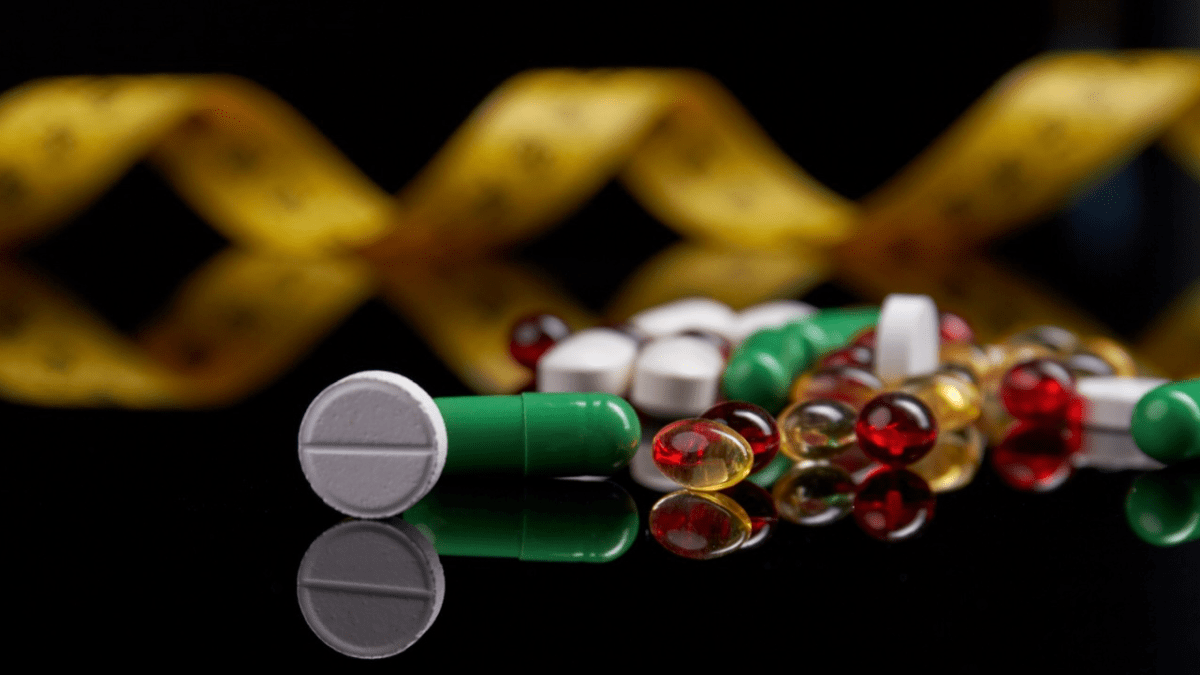
For couples trying to conceive, fertility pills can be a helpful aid in boosting fertility and increasing the chances of getting pregnant. With numerous options available on the market, it’s essential to understand the different types of fertility pills and their benefits. In this article, we will explore the best fertility pills to get pregnant, their mechanisms of action, and important considerations to keep in mind.
Understanding Fertility Pills:
Fertility pills, also known as fertility medications or ovulation-inducing drugs, are prescribed by healthcare professionals to assist women in ovulating regularly and improving their chances of conception. These medications work by stimulating hormone production, regulating the menstrual cycle, and promoting the release of mature eggs from the ovaries.
Types of Fertility Pills:
1. Clomiphene Citrate: Clomiphene citrate, commonly known as Clomid, is one of the most widely prescribed fertility pills. It works by blocking estrogen receptors in the brain, which in turn stimulates the release of follicle-stimulating hormone (FSH) and luteinizing hormone (LH). These hormones are essential for triggering ovulation and preparing the body for pregnancy.
2. Letrozole: Letrozole, also known as Femara, is another fertility pill that is commonly used. Originally developed to treat breast cancer, letrozole has been found to stimulate ovulation effectively. It works by reducing estrogen levels in the body, thereby promoting the release of FSH and LH and increasing the chances of pregnancy.
3. Metformin: Metformin is primarily used to treat insulin resistance and diabetes. However, it can also be taken by women with polycystic ovary syndrome (PCOS), a condition that can cause infertility. Metformin helps regulate insulin levels, which in turn aids in restoring regular ovulation and increasing the chances of conception.
4. Gonadotropins: Gonadotropins are injectable fertility medications that contain follicle-stimulating hormone (FSH) and luteinizing hormone (LH). These medications are typically prescribed to women who do not respond to clomiphene citrate or letrozole. Gonadotropins work directly on the ovaries, stimulating the growth and maturation of multiple eggs.
Important Considerations:
1. Consultation with a Healthcare Provider: Before considering any fertility pills, it is crucial to consult with a healthcare provider specializing in reproductive medicine. They will evaluate your medical history, perform necessary tests, and recommend the most appropriate fertility treatment based on your individual needs.
2. Potential Side Effects: Like any medication, fertility pills may have side effects. Common side effects include hot flashes, mood swings, breast tenderness, and abdominal discomfort. It’s important to discuss potential side effects with your healthcare provider and weigh the benefits against the risks.
3. Monitoring and Timing: When taking fertility pills, regular monitoring is essential to ensure proper dosage adjustment and timing of intercourse. Your healthcare provider will likely schedule ultrasounds and blood tests to track follicle development and hormone levels.
4. Combination with Other Treatments: Fertility pills can be used alone or in combination with other fertility treatments, such as intrauterine insemination (IUI) or in vitro fertilization (IVF). Your healthcare provider will determine the most suitable treatment plan based on your specific circumstances.
5. Lifestyle Factors: While fertility pills can be beneficial, it’s important to remember that they are not a standalone solution. Maintaining a healthy lifestyle, including a balanced diet, regular exercise, stress management, and adequate sleep, can significantly improve fertility outcomes.
Fertility pills can be a valuable tool for couples struggling to conceive. With various options available, including clomiphene citrate, letrozole, metformin, and gonadotropins, it’s crucial to consult with a healthcare provider to determine the most suitable fertility treatment for your individual needs. Remember to consider potential side effects, undergo regular monitoring, and address lifestyle factors to optimize your chances of getting pregnant. With the right guidance and support, fertility pills can help you on your journey towards parenthood.
Exploring Pre-Seed Lubricant: Benefits, Usage, and Impact on Fertility
When couples are trying to conceive, they often overlook the importance of selecting the right lubricant. Many lubricants on the market can actually hinder sperm motility and decrease the chances of successful fertilization. However, Pre-Seed lubricant has gained recognition as a fertility-friendly option designed to mimic natural body fluids. In this comprehensive article, we will delve into the details of Pre-Seed lubricant, including its benefits, proper usage, and impact on fertility.
Understanding Pre-Seed Lubricant
Pre-seed lubricant is a specially formulated product designed to provide a fertility-friendly environment during intercourse. Unlike other lubricants, Pre-Seed aims to mimic the consistency and pH of natural cervical mucus, which is crucial for sperm viability and motility. By creating an optimal environment, this type of lubricant can enhance the chances of successful conception.
Benefits of Pre-Seed Lubricant:
Using Pre-Seed lubricant offers several benefits for couples trying to conceive. Firstly, it creates a sperm-friendly environment that supports the survival and movement of sperm. This is crucial for successful fertilization. Additionally, Pre-Seed helps maintain optimal pH levels, which is important for sperm health. Moreover, it enhances comfort and pleasure during intimate moments, making the experience more enjoyable for couples.
Proper Usage of Pre-Seed Lubricant
To effectively use lubricant, it is important to follow the recommended guidelines. This includes applying the lubricant internally using the provided applicators. The recommended dosage should be adhered to, as using too little or too much may affect its efficacy. Timing intercourse appropriately with Pre-Seed can further maximize its fertility benefits.
Pre-Seed Lubricant and Fertility:
Pre-Seed lubricant has been found to support sperm viability and motility, two critical factors for successful conception. By creating an environment that closely resembles natural cervical mucus, this lubricant aids in the journey of sperm through the reproductive tract, increasing the chances of fertilization. Many couples have shared success stories, crediting Pre-Seed as a valuable aid in their fertility journey.
Safety and Compatibility:
Pre-Seed lubricant is compatible with condoms and fertility devices, making it suitable for various fertility needs. It is important to note that Pre-Seed has undergone rigorous testing and is considered safe for use. However, as with any product, individuals may have unique sensitivities or allergies, so it is advisable to perform a patch test before regular use.
Additional Tips for Enhancing Fertility
While Pre-Seed lubricant can be a helpful tool in optimizing fertility, it is important to adopt a holistic approach. This includes maintaining a healthy lifestyle, which encompasses factors such as a balanced diet, regular exercise, and stress management. Couples can also explore other fertility-enhancing strategies, such as tracking ovulation and seeking professional guidance if needed.
Seeking Professional Guidance:
For couples who require additional support on their fertility journey, consulting with healthcare providers or fertility specialists is recommended. They can provide personalized advice, evaluate individual circumstances, and offer tailored recommendations based on specific needs. Additionally, joining support networks or seeking resources related to fertility can provide valuable information and emotional support.
Pre-Seed lubricant offers couples a fertility-friendly solution to support their quest for conception. By mimicking natural cervical mucus, Pre-Seed creates an optimal environment for sperm, enhancing their viability and motility. When used correctly, Pre-Seed can increase the chances of successful fertilization. However, it is important to remember that Pre-Seed is just one component of an overall approach to fertility. Adopting a healthy lifestyle, seeking professional guidance when needed, and exploring additional fertility-enhancing strategies can further optimize the chances of achieving pregnancy.