Month: May 2026
Why Some Women Experience Severe PMS — And Why It’s More Than “Just Hormones
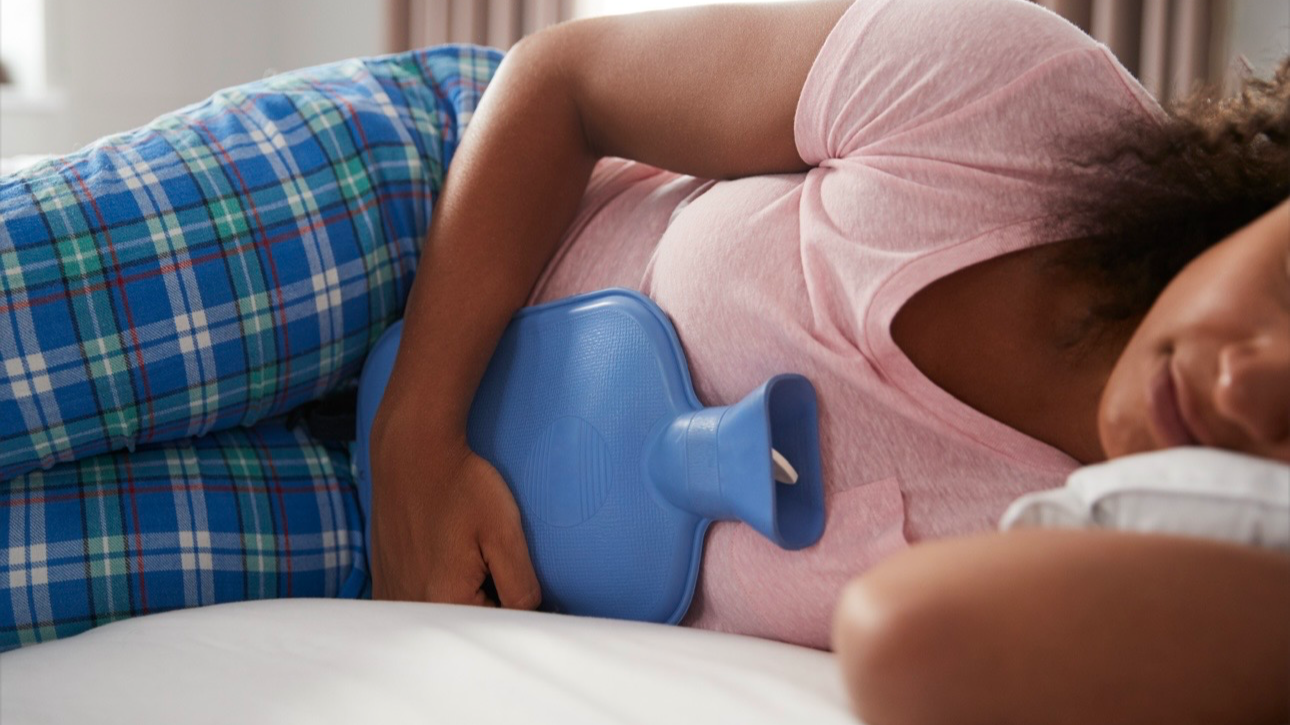
For some women, PMS is mild.
A few cramps.
Temporary bloating.
Mood changes that pass quickly.
For others, it feels completely different.
The week before a period can bring:
- exhaustion
- irritability
- anxiety
- emotional overwhelm
- headaches
- insomnia
- brain fog
And many women are told to dismiss it as:
“just hormones.”
But severe PMS is not simply moodiness or low tolerance.
It reflects complex interactions between hormones, the brain, sleep, stress systems, inflammation, and nervous system sensitivity.
And for some women, the symptoms become significant enough to affect work, relationships, and quality of life every month.
Quick Answer
Severe PMS occurs when hormonal fluctuations before menstruation significantly affect the brain, nervous system, mood, energy, and physical symptoms. While estrogen and progesterone shifts play a major role, factors such as stress, sleep, inflammation, insulin resistance, and neurotransmitter sensitivity can intensify symptoms.
What Is PMS?
Premenstrual Syndrome (PMS) refers to physical, emotional, and cognitive symptoms that occur before menstruation.
Symptoms commonly appear during the luteal phase of the menstrual cycle — after ovulation and before bleeding begins.
PMS may include:
- mood changes
- bloating
- fatigue
- breast tenderness
- headaches
- irritability
- sleep disruption
Symptoms usually improve once menstruation starts.
Why do some women experience severe PMS?
Hormones fluctuate in all women.
But not all women respond to those fluctuations in the same way.
Research suggests that some women are more neurologically sensitive to hormonal shifts, particularly changes involving:
- estrogen
- progesterone
- serotonin activity
This means the issue is often not hormone levels alone — but how the brain and nervous system respond to hormonal change.
How do hormones affect mood before a period?
Estrogen and progesterone influence several brain systems connected to mood and emotional regulation.
These hormones affect:
- serotonin
- dopamine
- GABA pathways
- stress response systems
As hormone levels fluctuate before menstruation, some women experience:
- increased anxiety
- emotional sensitivity
- irritability
- low mood
For women with heightened sensitivity, these shifts feel much more intense.
Why does PMS affect energy and motivation?
Many women report feeling:
- exhausted
- mentally flat
- unmotivated
- cognitively slower
before their period.
Hormonal shifts can influence:
- sleep quality
- blood sugar regulation
- inflammation
- nervous system function
This affects both physical and mental energy.
PMS is not purely emotional—it is systemic.
Looking for real, verified information in women’s health?
Join Sistapedia and access trusted voices across every stage of the reproductive lifecycle.
Can stress make PMS worse?
Yes.
Stress does not “cause” PMS, but it can amplify symptoms significantly.
Chronic stress affects:
- cortisol regulation
- sleep
- nervous system sensitivity
- inflammatory pathways
This may intensify:
- mood changes
- fatigue
- headaches
- emotional reactivity
For many women, PMS becomes worse during periods of prolonged stress or burnout.
What is PMDD—and how is it different from PMS?
Premenstrual Dysphoric Disorder (PMDD) is a more severe form of premenstrual mood disturbance.
Symptoms may include:
- severe depression
- panic
- rage
- emotional instability
- intrusive thoughts
PMDD is not simply “bad PMS.”
It is a clinically significant condition requiring proper assessment and support.
Why PMS is often dismissed
Women’s cyclical symptoms have historically been minimized.
Many women are told they are:
- overreacting
- emotional
- too sensitive
instead of having their symptoms properly assessed.
This leads many women to normalize severe suffering for years.
But severe PMS affecting:
- work
- relationships
- emotional stability
- physical wellbeing
deserves attention.
What most women are not told
PMS symptoms are influenced by more than reproductive hormones alone.
Factors that may affect symptom severity include:
- sleep quality
- nervous system regulation
- insulin resistance
- stress load
- inflammation
- mental health history
This is why symptom patterns vary dramatically between women.
Can lifestyle factors improve PMS symptoms?
For some women, symptoms improve when broader health factors are supported.
This may include:
- improving sleep
- stabilizing blood sugar
- reducing chronic stress
- supporting physical activity
- medical or hormonal treatment where appropriate
Management is individualized because symptom drivers differ between women.
When should you seek professional support?
You should seek medical advice if PMS symptoms:
- significantly affect daily life
- disrupt relationships or work
- involve severe anxiety or depression
- worsen over time
- feel emotionally unmanageable
Women should not feel expected to “push through” severe symptoms every month without support.
Frequently Asked Questions
Is severe PMS normal?
PMS is common, but severe symptoms affecting daily functioning should be assessed.
Can PMS cause anxiety?
Yes. Hormonal fluctuations can significantly affect anxiety and emotional regulation.
What is the difference between PMS and PMDD?
PMDD is a more severe mood disorder linked to the menstrual cycle.
Does PMS get worse with age?
For some women, symptoms intensify during perimenopause due to hormonal variability.
The Bigger Picture
PMS is often framed as a minor inconvenience.
But for many women, it affects:
- cognition
- emotional regulation
- relationships
- productivity
- physical wellbeing
Understanding PMS as a neurological, hormonal, and systemic issue—not simply “moodiness”—changes the conversation completely.
And that shift matters.
Sistapedia is a trusted destination for women’s health.
Verified Sista’s are identified with a free Pink Tick — signalling genuine, trusted identity within the community.
If you’re a qualified:
- Medical Doctor (MD)
- Registered Nurse (RN)
- Healthcare Practitioner
- Expert
- Product or Brand in women’s health
you can apply for Crown Verification — recognising trusted professionals, experts, products, and brands across women’s health.
Crown Verified participants help shape trusted education, visibility, and leadership across fertility, pregnancy, postpartum recovery, hormonal health, menopause, reproductive medicine, and women’s health innovation.
Early category leadership discussions within the growing SistaShop™ ecosystem are now underway.
DM for strategic positioning.
Coping with Technology

How do we cope with rapidly changing technology, particularly AI?
For years we have made costly mistakes in complex projects, where we have underestimated the cost, as well as the time to implement what we have proposed. This is a very common problem. The drivers being our hurry to do something, as well as our ignorance of what it takes to achieve what we want as the outcome. There are many examples, the Snowy Mountain Project is a current example, with the current cost exploding to 10 times the original budget, as well as a delivery timeline that cannot be confirmed. There are plenty of other examples in commercial and Public projects.
The processes used to achieve a successful outcome are well known, but not regularly utilised. Why? Well, the most common source is the inexperienced management, not prepared to take the Project / Engineering advice they are given, when it becomes apparent the cost and schedule are not what they expected, so they plough on despite the red flags. The pragmatic manager would take the Project / Engineering advice to rescope the project to meet expectations, however, this is not common, especially when politics is a driver. In failed projects it is always surprising on how many understood the real problem, but have been unable to influence the decision makers, so human nature is the culprit.
Does technology such as AI help? Yes and no. It will if the AI messenger is seen as someone management is prepared to trust. However, it will not if the AI tells you what you want to hear, or conversely helps you to be more efficient at failing.
So, what do we do with our AI? Well, we treat it as a useful assistant not the lead. My own experience with AI is that it can make me very productive, as long as, I know what I am doing.
Systems engineering was created in the 60’s to cope with large project complexity; the US Space program was the testing board and was quite successful. At its centre is the Problem Statement, or the Requirement. It must be clear and unambiguous. The AI equivalent is the Prompt, you can also set up rules to act as guard rails. So AI can be very effective if managed; in my own case I will create a solution functional architecture and work with AI to break this down into modules. AI is great at, User interfaces, API’s , databases, and documentation, and writing any code that is well specified; it is also excellent at reviewing code written by others.
So dwell for a moment; The human, me, is the architect / designer; the AI is my capable assistant, multi-skilled and a productivity accelerator. The decisions are made by me; I also find many errors that go unseen by AI; this can be frustrating, but confirms the need for outcomes to be checked. To be fair the AI also catches me out quite regularly, often in the enforcement of a design rule I had insisted on. So a team effort is involved.
The benefits of AI in capable and experienced hands are immeasurable, the productivity improvements quite astounding in the 5 to 10 times range. The quality of the outcomes are also very high.
PCOS and Insulin Resistance: The Metabolic Connection Most Women Aren’t Told About

Many women are told PCOS is a reproductive condition.
Irregular periods.
Ovulation issues.
Fertility struggles.
But for a large number of women, the deeper issue is metabolic.
And one of the biggest drivers sits underneath the surface:
Insulin resistance.
This changes how the body:
- stores energy
- regulates hormones
- manages hunger
- processes glucose
- controls ovulation
Yet many women spend years treating only the visible symptoms without understanding the metabolic system driving them.
Quick Answer
Insulin resistance occurs when the body’s cells stop responding efficiently to insulin, forcing the body to produce more of it. In PCOS, elevated insulin levels can disrupt ovarian hormone production, increase androgen levels, affect ovulation, contribute to weight gain, and increase long-term metabolic risk.
What Is PCOS?
Polycystic Ovary Syndrome (PCOS) is one of the most common hormonal conditions affecting women of reproductive age.
It is associated with:
- irregular ovulation
- elevated androgens
- ovarian dysfunction
- metabolic disruption
PCOS is not just an ovarian condition.
It affects multiple body systems simultaneously.
What Is Insulin Resistance?
Insulin is a hormone that helps move glucose from the bloodstream into cells for energy.
With insulin resistance:
- cells become less responsive to insulin
- the body compensates by producing more insulin
Over time, insulin levels rise.
This affects:
- metabolism
- appetite regulation
- fat storage
- inflammation
- hormone signalling
Insulin resistance can exist for years before blood sugar levels become abnormal.
How are PCOS and insulin resistance connected?
This is one of the most important biological links in women’s health.
Elevated insulin levels can stimulate the ovaries to produce more androgens, including testosterone.
Higher androgen levels contribute to symptoms such as:
- acne
- excess hair growth
- scalp hair thinning
- irregular ovulation
At the same time, insulin resistance may also increase:
- abdominal weight gain
- inflammation
- fatigue
- sugar cravings
The hormonal and metabolic systems become interconnected.
Looking for real, verified information in women’s health?
Join Sistapedia and access trusted voices across every stage of the reproductive lifecycle.
Can you have insulin resistance without being overweight?
Yes.
This is one of the most misunderstood aspects of PCOS.
Many women with insulin resistance are not visibly overweight.
They may still experience:
- irregular cycles
- fatigue
- cravings
- hormonal symptoms
Weight alone is not a reliable measure of metabolic health.
This is why some women remain undiagnosed for years.
Why does insulin resistance affect ovulation?
Ovulation depends on coordinated hormonal signalling between:
- the brain
- ovaries
- endocrine system
Elevated insulin disrupts this balance.
This may:
- impair follicle development
- prevent ovulation
- disrupt menstrual cycles
Some women ovulate inconsistently.
Others stop ovulating regularly altogether.
Why is weight gain so common with PCOS?
Many women with PCOS describe feeling like their body gains weight differently.
This is not imagined.
Insulin resistance can affect:
- hunger signalling
- fat storage
- energy regulation
- metabolic flexibility
Higher insulin levels encourage the body to store energy more easily—particularly around the abdomen.
This creates a frustrating cycle where:
- weight gain worsens insulin resistance
- worsening insulin resistance makes weight management harder
What most women are not told
Many women are advised to:
- “just lose weight”
- “exercise more”
- “eat healthier”
without anyone explaining the metabolic dysfunction underneath.
This framing creates shame instead of understanding.
PCOS is not simply a motivation problem.
For many women, it is a hormonal-metabolic condition affecting how the body regulates energy and reproduction simultaneously.
What are common signs of insulin resistance in women?
Symptoms may include:
- fatigue after meals
- intense sugar cravings
- abdominal weight gain
- skin darkening around folds (acanthosis nigricans)
- difficulty losing weight
- irregular cycles
Not every woman experiences obvious symptoms.
Can insulin resistance affect fertility?
Yes.
Ovulation disruption is one of the main fertility challenges associated with PCOS.
However, many women with PCOS still conceive successfully—with or without treatment.
Management strategies may focus on:
- improving ovulation
- metabolic health
- hormone regulation
depending on individual circumstances.
How is insulin resistance assessed?
Healthcare providers may assess:
- fasting insulin
- glucose levels
- HbA1c
- metabolic history
- symptom patterns
Assessment varies between clinicians and healthcare systems.
Can insulin resistance improve?
In many cases, metabolic function can improve significantly with appropriate support.
Management may include:
- nutrition changes
- movement
- sleep improvement
- stress management
- medications where appropriate
The goal is metabolic support—not perfection.
Why PCOS is often emotionally exhausting
PCOS affects more than hormones.
It affects:
- body image
- confidence
- fertility expectations
- emotional wellbeing
Many women feel dismissed because symptoms are often minimized or misunderstood.
Understanding the metabolic connection reduces self-blame.
And that matters.
Frequently Asked Questions
Do all women with PCOS have insulin resistance?
Not all, but insulin resistance is very common in PCOS.
Can thin women have insulin resistance?
Yes. Weight does not determine whether insulin resistance exists.
Does insulin resistance cause PCOS?
PCOS is complex and multi-factorial, but insulin resistance plays a major role for many women.
Can PCOS improve over time?
Symptoms and metabolic health may improve with appropriate management and support.
The Bigger Picture
PCOS is often framed as a reproductive issue.
But for many women, it is equally a metabolic condition.
Understanding the insulin connection changes how symptoms are interpreted.
It shifts the conversation from:
“lack of discipline”
to
“understanding how the body is functioning biologically.”
And that changes everything.
Join Sistapedia® –> be apart of the human space – where qualified healthcare practitioners with real world qualifications and experience share with women from all over the world. This is where we connect, learn, share, grow toegher with our reproductive health.
Verified Sista’s are identified with a free Pink Tick — signalling genuine, trusted identity within the community.
If you’re a qualified:
- Medical Doctor (MD)
- Registered Nurse (RN)
- Healthcare Practitioner
- Expert
- Product or Brand in women’s health
you can apply for Crown Verification — recognising trusted professionals, experts, products, and brands across women’s health.
Crown Verified participants help shape trusted education, visibility, and leadership across fertility, pregnancy, postpartum recovery, hormonal health, menopause, reproductive medicine, and women’s health innovation.
Early category leadership discussions within the growing SistaShop™ ecosystem are now underway.
DM for strategic positioning.
High-Risk Pregnancy: What Doctors Actually Mean

"HIGH RISK.”
Few pregnancy terms create more fear than those two words.
For many women, hearing them immediately triggers thoughts of:
- danger
- complications
- loss
- emergency intervention
But in reproductive medicine, “high-risk pregnancy” does not always mean something is actively wrong.
It means the pregnancy requires closer monitoring because certain factors increase the likelihood of complications.
And in many cases, women with high-risk pregnancies still go on to have healthy outcomes.
Understanding what doctors actually mean by “high risk” changes how the term is interpreted—and reduces unnecessary panic.
Quick Answer
A high-risk pregnancy is one where maternal, fetal, or pregnancy-related factors increase the chance of complications. This may involve maternal age, multiple pregnancy, high blood pressure, diabetes, previous pregnancy complications, or fetal concerns. High-risk pregnancies are monitored more closely to improve outcomes for both mother and baby.
What Is a High-Risk Pregnancy?
A pregnancy is classified as high risk when healthcare providers determine that additional monitoring or specialist care may be needed.
This does not automatically mean:
- the pregnancy is failing
- complications are guaranteed
- the baby is unsafe
It means the pregnancy falls outside standard lower-risk patterns.
The purpose of the classification is surveillance and prevention—not panic.
Why do doctors classify pregnancies as high risk?
The goal is to identify pregnancies that may benefit from:
- additional scans
- specialist review
- earlier intervention
- closer maternal monitoring
This allows healthcare providers to:
- detect complications earlier
- manage risk more proactively
- improve maternal and fetal outcomes
The classification exists to increase support—not to create fear.
What are the most common reasons a pregnancy becomes high risk?
There are many possible reasons.
Maternal age
Pregnancy over 35 is often monitored more closely because risks for certain complications increase with age.
This may include:
- gestational diabetes
- high blood pressure
- chromosomal abnormalities
- preterm birth
However, many women over 35 have healthy pregnancies.
Multiple pregnancy
Twins or higher-order multiples place greater demands on the body and increase the likelihood of:
- preterm birth
- growth complications
- placental issues
These pregnancies require closer observation.
Pre-existing medical conditions
Conditions such as:
- diabetes
- hypertension
- autoimmune disease
- thyroid disorders
may affect pregnancy physiology and fetal development.
Previous pregnancy complications
A history of:
- preeclampsia
- preterm birth
- recurrent miscarriage
- cesarean complications
may increase monitoring in future pregnancies.
Fetal concerns
Certain scan findings or growth concerns may shift a pregnancy into higher-risk management pathways.
Looking for real, verified information in women’s health?
Join Sistapedia and access trusted voices across every stage of the reproductive lifecycle.
Does high risk mean something is wrong right now?
Not necessarily.
This is one of the most misunderstood aspects of the term.
Some women are categorized as high risk because of:
- statistical probability
- medical history
- preventative monitoring
not because active complications are occurring.
The label reflects increased observation—not guaranteed outcomes.
How are high-risk pregnancies monitored?
Monitoring depends on the reason for classification.
Common approaches include:
More frequent ultrasounds
To monitor:
- fetal growth
- placental function
- amniotic fluid levels
Blood pressure monitoring
Particularly when preeclampsia risk exists.
Blood testing
To assess maternal and fetal wellbeing.
Specialist care
Some women are referred to:
- maternal-fetal medicine specialists
- obstetric physicians
- endocrinologists
depending on underlying conditions.
What is maternal-fetal medicine?
Maternal-fetal medicine (MFM) is a specialist field focused on complex pregnancies.
These specialists assess:
- maternal health
- fetal development
- pregnancy complications
- high-risk management plans
Their role is to support more complex pregnancy care—not simply intervene during emergencies.
What most women are not told
Many women hear “high risk” and assume:
- they failed somehow
- their body is unsafe
- something catastrophic is imminent
But high-risk classification is often precautionary.
Modern pregnancy care identifies risk earlier than ever before.
This means more women receive additional monitoring—not necessarily because pregnancy is going badly, but because medicine has become more proactive.
Can stress affect high-risk pregnancy?
Stress does not directly “cause” most high-risk classifications.
However:
- chronic stress affects sleep
- increases nervous system activation
- impacts blood pressure and wellbeing
Emotional support matters during pregnancy—especially when increased monitoring creates anxiety.
When should you seek urgent medical advice?
Women should seek immediate medical attention if experiencing:
- severe abdominal pain
- vaginal bleeding
- reduced fetal movement
- severe headaches
- vision changes
- sudden swelling
These symptoms may indicate pregnancy complications requiring urgent assessment.
Frequently Asked Questions
Can high-risk pregnancies still be healthy?
Yes. Many women with high-risk pregnancies deliver healthy babies.
Does age automatically make pregnancy dangerous?
No. Age increases certain risks statistically, but outcomes vary widely.
Do all high-risk pregnancies require bed rest?
No. Bed rest is far less commonly recommended today than in the past.
Can you reduce pregnancy risks?
Prenatal care, chronic disease management, and monitoring improve outcomes.
The Bigger Picture
High-risk pregnancy is not a prediction.
It is a medical framework for closer observation.
Understanding this matters because language shapes experience.
For many women, the term itself creates more fear than the actual clinical situation.
But in modern obstetrics, high-risk classification is often about prevention, planning, and support.
Not catastrophe.
Join the trusted women’s health community being built by Sistapedia.
Women can become AI-verified Sista’s, identified with a Pink Tick that signals a genuine, trusted identity within the community.
Medical Doctors, Registered Nurses, Healthcare Practitioners, and Experts can apply for Crown Verification to share verified expertise and help shape trusted conversations in women’s health.
Products & Brands can apply for Crown Verification to participate in the broader SistaShop™ ecosystem.
DM for strategic participation enquiries.
Perimenopause and Sleep Disruption: Why Women Suddenly Wake at 3AMs

For many women, one of the earliest signs of perimenopause is not hot flashes.
It is sleep disruption.
Falling asleep becomes harder.
Staying asleep becomes unpredictable.
And waking between 2AM and 4AM suddenly becomes routine.
Many women initially blame:
- stress
- work
- parenting
- screen time
But often, the deeper driver is hormonal change.
And because perimenopause can begin years before menopause itself, many women do not recognize the connection immediately.
Quick Answer
Perimenopause disrupts sleep due to fluctuating estrogen and progesterone levels, changes in cortisol regulation, night sweats, and altered nervous system activity. These hormonal shifts affect the brain’s sleep-wake regulation, causing insomnia, early waking, fragmented sleep, and lighter sleep quality.
What Is Perimenopause?
Perimenopause is the transitional phase before menopause.
During this stage:
- ovarian hormone production becomes less predictable
- estrogen fluctuates significantly
- ovulation becomes irregular
This transition may begin:
- in the 40s
- sometimes in the late 30s
- occasionally earlier
Perimenopause is not a single event.
It is a hormonal transition that can last several years.
Why does perimenopause affect sleep so strongly?
Sleep is heavily influenced by hormones.
Estrogen and progesterone both play important roles in:
- nervous system regulation
- body temperature
- mood stability
- sleep architecture
When these hormones fluctuate, sleep quality changes.
This is why many women suddenly experience:
- insomnia
- lighter sleep
- early waking
- restless sleep
even if they previously slept well for decades.
Why do women wake up at 3AM during perimenopause?
This is one of the most common patterns reported.
Several systems may contribute:
Cortisol dysregulation
Hormonal shifts can affect the body’s stress-response system.
Cortisol may rise too early in the morning, triggering wakefulness.
Blood sugar instability
Fluctuating hormones can affect glucose regulation overnight, contributing to waking.
Temperature dysregulation
Even subtle hot flashes or night sweats may interrupt sleep cycles.
Lighter sleep architecture
Perimenopause often reduces deep restorative sleep.
This makes women easier to wake—and harder to return to sleep.
Looking for real, verified information in women’s health?
Join Sistapedia and access trusted voices across every stage of the reproductive lifecycle.
How does estrogen affect sleep?
Estrogen influences several systems connected to sleep.
It supports:
- serotonin activity
- melatonin regulation
- temperature stability
- nervous system balance
When estrogen fluctuates:
- sleep becomes more fragmented
- body temperature regulation changes
- mood and anxiety may worsen
This creates a cycle where poor sleep further amplifies hormonal symptoms.
What role does progesterone play?
Progesterone has calming and sedative-like effects on the brain.
During perimenopause:
- ovulation may become inconsistent
- progesterone production may decline earlier than estrogen
Lower progesterone can contribute to:
- increased nighttime alertness
- anxiety
- difficulty staying asleep
This is one reason some women feel “wired but exhausted.”
Why sleep disruption affects everything else
Poor sleep is not an isolated symptom.
It affects:
- mood
- memory
- metabolism
- emotional regulation
- work performance
This is why many women experiencing perimenopause report:
- brain fog
- irritability
- overwhelm
- reduced resilience
Sleep disruption amplifies the entire perimenopause experience.
Is it insomnia or hormones?
For many women, it is both.
Hormonal changes create the biological conditions for disrupted sleep.
Then stress about sleep itself increases:
- anxiety
- hypervigilance
- nighttime alertness
This creates a feedback loop.
The body becomes biologically and psychologically conditioned toward lighter sleep.
What helps improve sleep during perimenopause?
Management depends on the underlying drivers.
Possible strategies include:
Supporting circadian rhythm
- morning light exposure
- reducing bright light late at night
Nervous system regulation
- stress reduction
- reducing overstimulation before sleep
Managing temperature
- cooler sleep environments
- breathable bedding
Medical support
Some women may benefit from hormonal or clinical support depending on symptoms and health profile.
What most women are not told
Many women are prepared for hot flashes.
Far fewer are prepared for:
- insomnia
- fragmented sleep
- early waking
- nervous system overstimulation
As a result, many women spend years believing:
- they are “bad sleepers”
- they are too stressed
- they are coping poorly
without recognizing the hormonal transition underneath.
When should you seek support?
You should seek medical advice if sleep disruption:
- persists for weeks or months
- affects mood or functioning
- worsens anxiety or depression
- causes severe fatigue
Sleep is not a minor symptom.
It is foundational to physical and mental health.
Frequently Asked Questions
Can perimenopause cause insomnia?
Yes. Hormonal fluctuations commonly disrupt sleep quality and continuity.
Why do I wake up at the same time every night?
Cortisol shifts, blood sugar regulation, and nervous system changes may contribute.
Does sleep improve after menopause?
For some women it does, while others continue to experience sleep changes.
Can hormone therapy help sleep?
In some cases, hormonal treatment may improve symptoms, but suitability varies between individuals.
The Bigger Picture
Perimenopause is not only about reproductive change.
It is a neurological and metabolic transition.
Sleep disruption is often one of the earliest signs that the system is shifting.
Understanding this reframes the experience from:
“something is wrong with me”
to
“my biology is changing”
And that understanding matters.
Join Sistapedia.
Sistapedia® is redefining trust in women’s health.
Women can apply for verified identity through the Pink Tick — helping distinguish genuine women within the platform.
Medical Doctors, Registered Nurses, Healthcare Practitioners, and Experts can apply for Crown Verification to be recognised for verified expertise in women’s health.
Products & Brands can apply for Crown Verification to participate in the SistaShop™ ecosystem.
Where women come to learn.
Where professionals come to educate.
Where verified participation matters.
Strategic participation enquiries via DM.
Cluster Feeding Explained: Why Babies Suddenly Want to Feed Constantly

One day your baby feeds normally.
Every 2–3 hours.
Predictable.
Manageable.
Then suddenly, everything changes.
They want to feed again… and again… and again.
Minutes apart.
For hours.
It can feel like something is wrong.
Like your milk isn’t enough.
Like your baby isn’t satisfied.
Like feeding has become endless.
This is one of the most common—and most misunderstood—experiences in early parenting.
Cluster feeding.
Quick Answer
Cluster feeding is when a baby feeds more frequently than usual over a short period, often every 30–90 minutes. It is most common in newborns and during growth spurts. Rather than indicating low milk supply, it is usually a normal biological process that helps increase milk production and support rapid development.
What Is Cluster Feeding?
Cluster feeding refers to periods where a baby feeds in “clusters”—multiple feeds close together instead of spaced out.
Instead of predictable intervals, feeding becomes:
- frequent
- irregular
- concentrated over several hours
This often happens:
- in the early weeks of life
- during growth spurts
- in the evening hours
It is especially common in breastfed babies but can occur with bottle-fed babies as well.
Why does cluster feeding happen?
Cluster feeding is not random.
It is driven by the baby’s biological needs.
The most common reasons include:
Increasing milk supply
Breast milk production works on demand.
Frequent feeding signals the body to:
- produce more milk
- adjust supply to meet growth needs
Cluster feeding is one of the ways babies regulate this system.
Growth spurts
Babies grow rapidly in the early months.
During these periods, they need:
- more calories
- more frequent intake
Cluster feeding helps meet that demand quickly.
Neurological development
Feeding is not just about nutrition.
It also supports:
- brain development
- emotional regulation
- sensory input
Frequent feeding provides comfort and stability during periods of rapid neurological change.
Evening regulation (“witching hours”)
Cluster feeding often happens in the evening.
This is when babies may be:
- more unsettled
- more alert
- harder to soothe
Feeding becomes both:
- nourishment
- a calming mechanism
Looking for real, verified information in women’s health?
Join Sistapedia® and access trusted voices across every stage of the reproductive lifecycle.
Does cluster feeding mean low milk supply?
This is one of the most common concerns.
The answer is usually no.
Cluster feeding is often misinterpreted as:
- baby still being hungry
- milk supply being insufficient
But in most cases:
- the baby is regulating supply
- the body is responding appropriately
Actual low milk supply is determined by:
- weight gain
- diaper output
- clinical assessment
Not feeding frequency alone.
How long does cluster feeding last?
Cluster feeding periods are usually temporary.
They may last:
- a few hours at a time
- a few days during growth spurts
Common timing patterns:
- early newborn weeks
- around 2–3 weeks
- around 6 weeks
- around 3 months
These phases often align with developmental milestones.
What does cluster feeding feel like for parents?
Cluster feeding can be physically and mentally demanding.
Parents often experience:
- fatigue
- frustration
- confusion
- self-doubt
The lack of predictability makes it harder to:
- rest
- plan
- feel in control
This is where expectation matters.
Understanding that this is normal reduces unnecessary stress.
Can bottle-fed babies cluster feed?
Yes.
Cluster feeding is not exclusive to breastfeeding.
Bottle-fed babies may also:
- request feeds more frequently
- appear hungrier during growth spurts
The difference is that bottle feeding allows more measurable intake, which can sometimes reduce anxiety.
But the behavioural pattern can still occur.
When should you be concerned?
Cluster feeding is normal—but context matters.
You should seek medical advice if:
- baby is not gaining weight
- diaper output decreases
- baby seems persistently unsettled even after feeds
- feeding sessions are extremely long without satisfaction
- there are signs of dehydration
Cluster feeding should not be the only explanation for ongoing concerns.
What helps during cluster feeding?
There is no way to “stop” cluster feeding—it serves a purpose.
But certain strategies can help manage it:
Expect periods where feeding dominates your time.
Create a comfortable setup
Supportive seating, hydration, and easy access to essentials matter.
Reduce pressure on schedules
Rigid timing expectations increase stress during cluster phases.
Accept variability
Feeding patterns will not always be predictable.
What most women are not told
Cluster feeding is often not explained clearly before birth.
Many women expect:
- structured feeding intervals
- predictable routines
Instead, they experience:
- constant feeding
- unclear signals
- conflicting advice
This gap between expectation and reality creates unnecessary anxiety.
Cluster feeding is not a failure of feeding.
It is part of how feeding works.
Frequently Asked Questions
Is cluster feeding normal?
Yes. It is a common and expected pattern in newborn development.
Does cluster feeding mean my baby isn’t full?
Not necessarily. It is often about increasing supply or supporting growth.
Should I supplement during cluster feeding?
Not automatically. Supplementation decisions should be based on clinical indicators.
Will cluster feeding stop?
Yes. It usually passes as the baby’s needs stabilize.
The Bigger Picture
Cluster feeding is one of the clearest examples of how infant biology drives behaviour.
It is not inefficient.
It is not excessive.
It is adaptive.
The baby signals.
The body responds.
Understanding this shifts feeding from:
“something going wrong”
to
“a system working as designed”
Join Sistapedia®.
Become an AI-verified Sista, identified with a Pink Tick that signals a real, trusted human voice in women’s health.
If you are a:
- Medical Doctor (MD)
- Registered Nurse (RN)
- Healthcare Practitioner
- Expert
Apply for Crown Verification on Sistapedia® to be recognised as a verified authority.
If you are a Product or Brand in women’s reproductive health:
Crown Verification is required to participate in SistaShop™ and access early commercial opportunities.
DM to secure category positioning.

 Google