Month: September 2026
Egg Thaw Survival: What Happens to Frozen Eggs When You Return to Use Them?
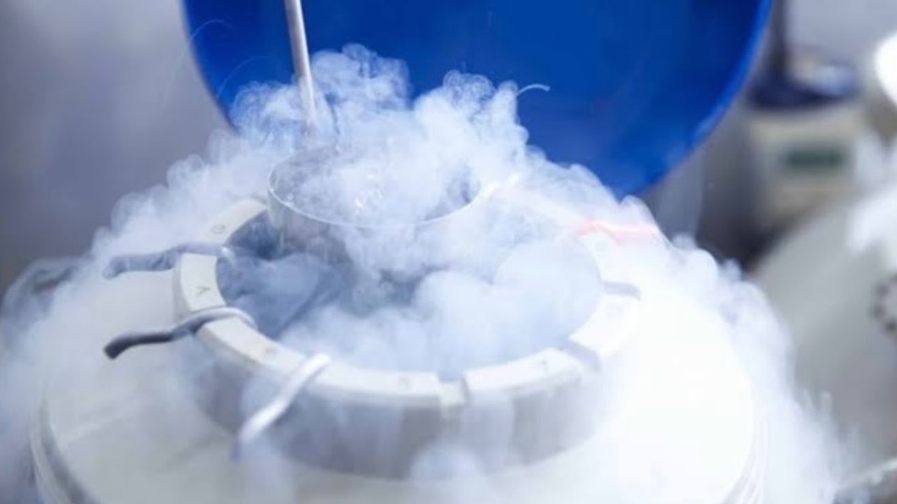
Freezing eggs can create the impression that a certain number of future chances have been safely stored away.
If you froze 15 eggs, it is easy to imagine returning years later with 15 eggs ready to use.
That is not quite how egg freezing works.
The number stored is the starting number. When you return to use those eggs, they must first survive warming. Only surviving eggs can proceed to fertilisation, and further attrition can occur after that. Understanding this distinction is important because the outcome of an egg-freezing cycle is not fully known on the day the eggs enter storage.
When frozen eggs are used, they are carefully warmed in an embryology laboratory and assessed for survival. Modern vitrification has substantially improved egg survival compared with older slow-freezing techniques, but survival is not guaranteed. Eggs that remain intact can then proceed to fertilisation, usually using intracytoplasmic sperm injection (ICSI).
Freezing an Egg Is More Complicated Than Freezing an Embryo
Human eggs are unusually large cells and contain a substantial amount of water.
That matters during freezing.
If ice crystals form inside a cell, they can damage structures required for the egg to function normally. Historically, this made eggs more difficult to cryopreserve successfully than sperm and contributed to the limitations of early egg-freezing techniques.
Modern fertility laboratories largely addressed this problem through vitrification.
Vitrification is an ultra-rapid cryopreservation technique. Before freezing, eggs are exposed to cryoprotective solutions that help reduce damaging ice formation. They are then cooled extremely rapidly into a glass-like state rather than being allowed to freeze slowly in the conventional sense.
ASRM identifies vitrification as the standard modern approach to oocyte cryopreservation because reducing intracellular ice-crystal formation improved survival after warming compared with older slow-cooling methods.
The terminology can therefore be slightly misleading.
When people talk about “thawing” frozen eggs, laboratories may refer to the process as warming, particularly for vitrified eggs.
The objective is the same: return the cryopreserved egg to conditions in which it can potentially continue functioning as a reproductive cell.
What Actually Happens When Your Eggs Are Warmed?
When you decide to use stored eggs, the fertility clinic retrieves the relevant cryopreserved eggs from storage.
The warming procedure takes place under tightly controlled laboratory conditions.
Vitrified eggs cannot simply be removed from liquid nitrogen and allowed to reach room temperature. They must pass through a carefully managed warming process designed to reverse the conditions used during vitrification and progressively remove the cryoprotective substances surrounding them.
Once warmed, embryologists assess whether each egg has survived.
This is the first major checkpoint.
A surviving egg must retain sufficient structural integrity to proceed to the next stage of treatment. Some eggs may not survive the transition from cryopreservation back to physiological conditions.
That means:
10 eggs in storage does not automatically mean 10 eggs available for fertilisation.
This distinction should be part of counselling before egg freezing, not something discovered for the first time years later.
How Many Frozen Eggs Survive Thawing?
There is no single thaw-survival percentage that can accurately predict what will happen to every woman’s eggs.
Modern vitrification has produced substantially better survival than older slow-freezing methods, and high-performing laboratories can achieve high post-warming survival. But published results and individual clinic outcomes vary.
This is why a headline survival percentage should not be interpreted as a guarantee.
ASRM specifically recommends that fertility centres offering planned egg freezing disclose their own egg-survival results after thawing, alongside pregnancy and live-birth outcomes as those data become available. It also notes that outcomes can vary among clinics and that experience with vitrification and warming matters.
This is a useful distinction for patients.
National or published statistics tell you what has happened across groups of patients.
A clinic’s own data tell you what has happened in its laboratory.
Neither can tell you exactly what will happen to an individual egg.
If you have frozen eggs and are considering returning to use them, create your free Sistapedia® profile to access trusted fertility information and discover verified fertility professionals.
Why Might a Frozen Egg Not Survive?
Cryopreservation places a cell through an extreme physical transition.
Although vitrification is designed to minimise injury, an egg still has to tolerate exposure to cryoprotectants, rapid cooling, long-term cryogenic storage and subsequent warming.
The egg’s cell membrane and internal structures must remain sufficiently intact through that process.
Eggs are also biologically variable before they ever enter the freezer.
Only mature eggs are generally cryopreserved for future reproductive use. But two mature eggs are not necessarily biologically identical simply because they appear similar in the laboratory.
Modern cryopreservation has dramatically reduced one major technical problem—ice-crystal damage—but it cannot turn every egg into an equally viable reproductive cell.
This is one reason the number of eggs stored should not be interpreted as the number of embryos, pregnancies or future children preserved.
Does the Age of the Egg Matter When It Is Thawed?
One of the most important concepts in egg freezing is the difference between your age when you freeze the eggs and your age when you return to use them.
The biological characteristics of the egg largely reflect the age at which it was retrieved and frozen.
If a woman freezes eggs at 32 and returns to use them at 39, those eggs were still retrieved from 32-year-old ovaries. They have not biologically aged in storage in the same way eggs remaining in the ovaries have aged during those seven years.
This is why age at cryopreservation is an important predictor of eventual reproductive outcome.
ASRM’s current fertility-preservation guidance identifies both age at vitrification and the number of cryopreserved eggs as predictors of future success.
But this needs to be interpreted carefully.
Younger age at freezing does not guarantee that every egg will survive warming, fertilise or produce a baby.
It improves part of the probability equation; it does not eliminate the biological filters that follow.
Does Being Frozen for Years Damage the Egg?
People commonly assume that an egg stored for ten years must be in worse condition than one stored for one year.
Cryogenic storage does not work like ordinary biological ageing.
Once properly cryopreserved and maintained at extremely low temperatures, cellular activity is effectively suspended. The more important questions are whether the egg was successfully vitrified, whether storage conditions have been continuously maintained and whether it survives the warming process.
For an individual patient, the fact that an egg has been stored for years should therefore not automatically be interpreted as meaning that it has been slowly deteriorating each year.
The quality systems surrounding cryostorage still matter enormously. Clinics require procedures for identification, traceability, storage monitoring and safe handling of reproductive material.
But the calendar itself should not be imagined as an egg continuing to age inside the tank.
What Happens to an Egg That Survives Warming?
Survival is only the first threshold.
A warmed egg that remains suitable for treatment then needs to be fertilised.
In current clinical practice, previously frozen eggs are commonly fertilised using intracytoplasmic sperm injection, or ICSI. With ICSI, an embryologist selects a sperm and injects it directly into the egg.
The HFEA describes ICSI as part of the process when previously frozen eggs are returned for fertility treatment.
After injection, the laboratory assesses whether normal fertilisation has occurred.
And this introduces another important distinction:
Egg survival is not the same as fertilisation.
An egg can survive warming but fail to fertilise.
An egg can survive and fertilise but the resulting embryo can stop developing.
An embryo can continue developing but never result in pregnancy.
Thaw survival therefore answers one very specific question: did the egg remain viable enough after warming to continue treatment?
It does not answer the eventual pregnancy question.
Why Your Egg-Freezing Number Shrinks When Treatment Begins
Imagine that a woman has 12 mature eggs in storage.
When she returns to use them, she does not begin with 12 embryos.
She begins with 12 cryopreserved eggs.
Some may not survive warming.
Of those that survive, some may not fertilise normally.
Of those that fertilise, some may stop developing.
Some may develop sufficiently for transfer or freezing as embryos.
And even an embryo transferred to the uterus may not implant or result in a live birth.
The purpose of this example is not to provide a conversion formula. There is no universal formula that can accurately tell an individual woman what will happen to her eggs.
It is to show why the original frozen-egg number cannot be read as a future baby count.
ASRM has found that age at egg freezing affects reproductive outcomes, but it has also concluded that evidence is insufficient to prescribe an absolute number of eggs that guarantees a reasonable probability of live birth across different ages.
Egg freezing preserves an opportunity—not an outcome.
Why Clinic-Specific Thaw Data Matter
When choosing where to freeze eggs, people often focus on stimulation protocols, price and the number of eggs they hope to retrieve.
There is another question worth asking:
What happens when patients come back?
A fertility clinic may be highly experienced in retrieving and storing eggs, but patients also need to understand its experience warming those eggs and treating the women who return to use them.
ASRM recommends transparency about a centre’s own experience and results, including post-thaw egg survival and pregnancy and live-birth outcomes where available. It also notes that published success rates may not necessarily be reproduced in a centre that has only recently adopted a technique.
Useful questions can include:
- What proportion of your vitrified mature eggs survive warming?
- How many egg-warming cycles does your laboratory perform?
- Are these results based on patients using their own eggs, donor eggs or both?
- What happens if an egg does not survive warming?
- How does the laboratory assess whether a warmed egg can proceed to ICSI?
- What outcomes does the clinic track after warming?
The details matter because “egg-freezing success” can describe several completely different endpoints.
A high survival rate after warming is encouraging, but it is not the same as a high live-birth rate.
What Does Thaw Survival Tell You About Your Chances of a Baby?
Less than many people assume.
Thaw survival is an important technical and biological milestone. Without survival, that egg cannot proceed.
But once an egg survives, a different series of biological events determines what happens next.
The egg must fertilise. The resulting embryo must develop. An embryo must be selected for transfer. Implantation must occur. The pregnancy must continue.
Age at freezing and the number of eggs available remain important, but ASRM continues to emphasise uncertainty around predicting live birth after planned egg freezing. Available evidence supports better outcomes when eggs are frozen at younger ages, while the precise probability for an individual woman depends on multiple factors.
This is why egg thaw survival deserves to be understood as its own stage.
It is neither a failure if every egg does not survive nor proof of future success if every egg does.
It is the point at which eggs that have sometimes been stored for many years re-enter active fertility treatment—and the probabilities begin moving again.
When to Speak With Your Fertility Clinic
You do not have to wait until you are ready for an embryo transfer to discuss your frozen eggs.
If you are considering using them, ask your clinic for a consultation before treatment begins.
Confirm how many mature eggs remain in storage, how they were cryopreserved, the laboratory’s current warming process and its own post-warming survival data.
If your eggs were frozen using an older technique, transferred between storage facilities or frozen at more than one clinic, ask whether any of those factors affect how treatment will be planned.
Most importantly, ask the clinic to separate the different probabilities for you.
Egg survival, fertilisation, embryo development, implantation and live birth are not interchangeable measures.
Understanding that distinction makes the frozen number in your records much more meaningful.
Frequently Asked Questions
Do all frozen eggs survive thawing?
No. Modern vitrification has substantially improved egg survival after warming, but some eggs will not survive. Individual outcomes vary, and clinic-specific survival data can be useful when discussing expectations.
Is egg thawing the same as egg warming?
The terms are often used interchangeably by patients. “Warming” is commonly used for vitrified eggs because vitrification is an ultra-rapid cryopreservation process rather than conventional slow freezing.
Can an egg survive thawing but fail to fertilise?
Yes. Survival and fertilisation are separate stages. A structurally surviving egg may still fail to fertilise after ICSI.
Are eggs damaged by being frozen for many years?
Cryogenic storage is designed to suspend biological activity rather than allow eggs to continue ageing normally. The age at which the egg was retrieved remains particularly important when considering its reproductive potential.
Does a high egg-thaw survival rate mean I have a high chance of pregnancy?
Not necessarily. Thaw survival is only one stage. Fertilisation, embryo development, implantation and continuation of pregnancy all occur afterwards.
Create your free Sistapedia® profile to access trusted information across egg freezing, fertility preservation and IVF, and discover verified fertility professionals.
Have you returned to use eggs you froze months or years earlier? Your experience could help another woman understand a part of egg freezing that is rarely discussed at the beginning. Share your story on Sistapedia® and apply for your free Pink Tick verification.
Are you a reproductive endocrinologist, fertility specialist, embryologist, fertility nurse or reproductive-health Expert? Crown Verification confirms eligible professional credentials and establishes your verified professional presence across Sistapedia®. Apply through the Verification tab in your profile.
Fezolinetant and Hot Flashes: How Non-Hormonal Menopause Drugs Work

Hot flashes are often described as a consequence of “low estrogen.” That is only part of the story.
The menopause transition also changes the brain circuits responsible for temperature regulation. Fezolinetant targets one of those pathways directly, providing a treatment for hot flashes and night sweats without supplying estrogen or another hormone.
In the United States, fezolinetant is FDA-approved for moderate to severe vasomotor symptoms caused by menopause. It is a neurokinin 3 (NK3) receptor antagonist and works differently from menopausal hormone therapy. Clinical trials show that it can reduce the frequency and severity of hot flashes, but it requires liver-function monitoring because rare serious liver injury has been reported. (U.S. Food and Drug Administration)
Why Do Hot Flashes Happen?
Hot flashes and night sweats are collectively known as vasomotor symptoms.
They are linked to changes in the brain’s thermoregulatory system during the menopause transition. As estrogen levels change, signalling involving neurokinin B becomes disrupted within brain pathways involved in temperature control.
This effectively narrows the body’s thermoneutral zone—the temperature range within which the body does not need to actively cool or warm itself.
A relatively small change in core temperature can then trigger a disproportionate response: sudden heat, flushing, sweating and sometimes a subsequent chill.
This helps explain why a hot flash can appear to come from nowhere, including while sitting still or sleeping.
How Does Fezolinetant Work?
Fezolinetant does not replace estrogen.
It blocks neurokinin 3 receptors, which are involved in the signalling pathway controlling body temperature.
By reducing neurokinin B activity at these receptors, fezolinetant helps restore balance within the brain’s temperature-control system. The FDA describes this mechanism as addressing the altered balance between estrogen and neurokinin B signalling that occurs with menopause. (U.S. Food and Drug Administration)
This makes fezolinetant fundamentally different from hormone therapy.
Menopausal hormone therapy acts through hormone receptors and can treat several estrogen-related menopausal symptoms. Fezolinetant targets the neurological pathway underlying vasomotor symptoms specifically.
It is therefore better understood as a targeted non-hormonal hot-flash treatment, not a non-hormonal version of HRT.
How Effective Is Fezolinetant?
Large phase 3 trials have shown clinically meaningful reductions in moderate to severe vasomotor symptoms.
In the SKYLIGHT 1 trial, women aged 40 to 65 experiencing an average of at least seven moderate to severe hot flashes each day were randomly assigned to placebo or fezolinetant.
At the US-approved 45 mg dose, fezolinetant produced significantly greater reductions in hot-flash frequency than placebo at both four and 12 weeks. Improvements were already evident after the first week and were maintained through the longer treatment period. (PubMed)
SKYLIGHT 2 produced similar findings, with significant reductions in both frequency and severity of vasomotor symptoms compared with placebo. (PubMed)
A later phase 3b trial specifically studied 453 women for whom hormone therapy was considered unsuitable because it was contraindicated, required caution, had previously been discontinued, or was something they chose not to use. Fezolinetant again reduced vasomotor symptoms compared with placebo. (PubMed)
These findings matter because non-hormonal treatment is not required only by women who medically cannot take hormones. Some women simply prefer another option.
How Quickly Can It Work?
Clinical trials detected improvement within the first week of treatment.
That does not mean every woman will experience the same response or that symptoms disappear completely.
Treatment trials measure average changes across groups. Individual responses can range from substantial improvement to limited benefit.
The useful question is therefore not whether fezolinetant “stops hot flashes,” but whether it reduces their frequency or severity enough to meaningfully improve daily life or sleep.
Who Might Consider a Non-Hormonal Treatment?
There are several reasons a woman experiencing moderate to severe vasomotor symptoms might discuss a non-hormonal prescription treatment with her healthcare professional.
Some women have medical circumstances that make systemic menopausal hormone therapy inappropriate or require more careful risk assessment.
Others experience side effects with hormone therapy, do not obtain adequate symptom relief, or simply do not want to use hormones.
Fezolinetant expands the available choices because it treats vasomotor symptoms through a different biological pathway.
That does not make it inherently safer or more appropriate than hormone therapy for every woman. The two approaches have different benefits, risks, contraindications and treatment targets.
The decision should be individual.
Experiencing hot flashes, night sweats or other menopause symptoms? Join Sistapedia® free to explore trusted menopause information and discover verified healthcare professionals and Experts.
What Does Fezolinetant Not Treat?
This distinction is important.
Fezolinetant is FDA-approved specifically for moderate to severe vasomotor symptoms due to menopause. (U.S. Food and Drug Administration)
It should not be assumed to treat every symptom associated with menopause.
For example, genitourinary syndrome of menopause can involve vaginal dryness, irritation, painful sex and urinary symptoms related to estrogen deficiency in genital and urinary tissues. Those symptoms have their own treatment options.
Similarly, osteoporosis prevention and treatment involve a different clinical decision.
A woman experiencing several menopause-related problems may therefore need a treatment strategy addressing more than hot flashes alone.
This is one reason medication choice should begin with identifying which symptoms actually require treatment.
Why Is Liver Monitoring Required?
This is now one of the most important considerations for women taking fezolinetant in the United States.
In 2024, the FDA strengthened its safety warning after receiving a post-marketing report of serious liver injury in a patient taking fezolinetant. The agency subsequently added a Boxed Warning, its most prominent safety warning, for the risk of rare but serious liver injury. (U.S. Food and Drug Administration)
The FDA requires liver blood tests before treatment begins.
Under current US guidance, healthcare professionals should then perform hepatic laboratory testing monthly for the first three months, followed by testing at months six and nine. (U.S. Food and Drug Administration)
Fezolinetant should not be started if certain baseline liver-test results are already sufficiently elevated.
This monitoring requirement is not an optional extra. It is part of the medicine’s current safety framework.
What Symptoms of Liver Injury Should You Know?
The FDA advises patients taking fezolinetant to stop the medicine immediately and contact the prescribing healthcare professional if symptoms suggesting liver injury develop.
These can include unusual fatigue, nausea, vomiting, itching, light-colored stools, dark urine, yellowing of the skin or eyes, abdominal swelling or pain in the upper-right abdomen. (U.S. Food and Drug Administration)
These symptoms do not automatically mean liver injury has occurred.
But they should not be ignored or left until the next scheduled blood test.
The post-marketing case that prompted stronger FDA action developed symptoms within approximately 40 days of starting treatment, reinforcing why both laboratory monitoring and symptom awareness matter. (U.S. Food and Drug Administration)
What Are the Other Side Effects?
Like any prescription medicine, fezolinetant can cause adverse effects.
The FDA lists common adverse reactions including abdominal pain, diarrhea, insomnia and back pain. (U.S. Food and Drug Administration)
Clinical trials provide broader safety information. A pooled analysis of three phase 3 studies included more than 3,000 participants exposed to placebo or fezolinetant and evaluated treatment-emergent adverse events and liver-test abnormalities over treatment periods extending to 52 weeks. (PubMed)
However, clinical trials cannot identify every rare adverse effect before a medicine reaches a much larger population.
That is why post-marketing surveillance matters. The liver warning is a clear example of safety information evolving after approval.
Fezolinetant Versus Hormone Therapy: Is One Better?
There is no universal winner.
Menopausal hormone therapy remains an important evidence-based treatment for appropriate women experiencing bothersome menopausal symptoms. Fezolinetant provides another mechanism for treating vasomotor symptoms without administering hormones.
The appropriate comparison depends on the individual woman.
Questions include which symptoms need treatment, medical history, contraindications, personal treatment preferences, medication interactions and willingness to undertake ongoing liver monitoring.
The presence of a non-hormonal option should not be interpreted as evidence that hormone therapy is inherently unsafe.
Likewise, being eligible for hormone therapy does not mean a woman must choose it.
The value of newer treatments is greater choice based on individual clinical circumstances.
When to Seek Medical Assessment
Hot flashes are common during perimenopause and menopause, but not every episode of unexplained sweating or flushing should automatically be attributed to menopause.
Seek medical assessment when symptoms are new, unusual, severe, accompanied by other unexplained symptoms, or the diagnosis is uncertain.
If you are considering fezolinetant, a healthcare professional needs to assess whether the medicine is appropriate and arrange required baseline liver testing.
If you are already taking it, follow the prescribed monitoring schedule and seek prompt medical advice for symptoms potentially suggesting liver injury.
Do not stop prescribed menopause treatment or switch therapies solely on the basis of general information online unless urgent medication safety instructions specifically tell you to stop.
A New Way to Think About Hot Flashes
Fezolinetant represents more than another menopause medication.
It reflects a more detailed understanding of why vasomotor symptoms happen.
Hot flashes are not simply the body noticing that estrogen has fallen. They involve altered signalling within neural circuits regulating temperature, and those circuits can now be targeted pharmacologically without replacing estrogen.
That creates a genuinely different treatment pathway.
But “non-hormonal” should never be mistaken for “risk-free.”
Fezolinetant can provide meaningful symptom reduction, while its current US prescribing framework also requires women and clinicians to take liver safety seriously.
The useful question is not whether hormonal or non-hormonal treatment is universally better.
It is which treatment best matches your symptoms, medical history, risk profile and preferences—and what monitoring that treatment requires.
FAQs
Is fezolinetant a hormone?
No. Fezolinetant is a non-hormonal neurokinin 3 receptor antagonist. It targets a brain signalling pathway involved in temperature regulation rather than supplying estrogen. (U.S. Food and Drug Administration)
What is fezolinetant approved to treat?
In the United States, it is FDA-approved to treat moderate to severe vasomotor symptoms—hot flashes and night sweats—caused by menopause. (U.S. Food and Drug Administration)
How quickly does fezolinetant work?
Phase 3 clinical trials found improvements in vasomotor symptoms within the first week, with benefits maintained during longer treatment. Individual responses vary. (PubMed)
Why do I need blood tests while taking fezolinetant?
Rare serious liver injury has been reported. The FDA requires liver testing before treatment, monthly for the first three months, and again at months six and nine. (U.S. Food and Drug Administration)
Is fezolinetant better than HRT?
Not universally. They work differently and have different benefits, risks and clinical uses. Treatment should be selected according to symptoms, medical history and individual preferences.
Continue on Sistapedia®
For Sistas: Join Sistapedia® free to explore trusted information across menopause and women’s reproductive health. Complete free Pink Tick identity verification to participate as a genuine identity-verified Sista and share your experience if you choose.
For healthcare professionals and Experts: Establish your professional presence and contribute evidence-informed education across Sistapedia®. Eligible Medical Doctors, Doctors of Osteopathic Medicine, General Practitioners, Registered Nurses, Healthcare Practitioners and Experts can apply for Crown Verification through the Verification tab in their profile.
Sources
U.S. Food and Drug Administration — FDA adds warning about rare occurrence of serious liver injury with use of Veozah (fezolinetant) for hot flashes due to menopause. (U.S. Food and Drug Administration)
Lederman S, et al. Fezolinetant for treatment of moderate-to-severe vasomotor symptoms associated with menopause (SKYLIGHT 1): a phase 3 randomised controlled study. The Lancet. 2023. (PubMed)
Schaudig K, et al. Efficacy and safety of fezolinetant for moderate-severe vasomotor symptoms associated with menopause in individuals unsuitable for hormone therapy: phase 3b randomised controlled trial. BMJ. 2024. (PubMed)
Pooled phase 3 safety analysis of SKYLIGHT 1, SKYLIGHT 2 and SKYLIGHT 4. (PubMed)
Medical disclaimer: This article provides general educational information and does not replace personalised medical advice, diagnosis or treatment. Speak with an appropriately qualified healthcare professional about symptoms, medicines, tests or treatment decisions.
Does Menopause Raise LDL Cholesterol? What Changes in Midlife

A cholesterol result that was previously normal can look different in your 40s or 50s—even when your diet has not dramatically changed.
Age contributes, but it is not the whole explanation. Research tracking women through midlife shows that the menopause transition itself is associated with changes in blood lipids, including increases in LDL cholesterol.
Menopause can contribute to rising LDL cholesterol, particularly during late perimenopause and early postmenopause. Hormonal and metabolic changes occur alongside ageing, changes in body composition and other cardiovascular risk factors. An increased LDL result should therefore be interpreted as part of your overall cardiovascular risk rather than dismissed as simply “normal for menopause.” (professional.heart.org)
What Is LDL Cholesterol?
Cholesterol is a waxy substance the body needs to make cell membranes, hormones and other essential substances.
Because cholesterol cannot travel freely through blood, it is transported in particles called lipoproteins.
Low-density lipoprotein cholesterol (LDL-C) is commonly called “bad cholesterol” because higher concentrations contribute to cholesterol accumulation within artery walls and the development of atherosclerosis.
Over time, atherosclerotic plaque can narrow arteries and increase the risk of cardiovascular events including heart attack and stroke.
LDL is therefore not merely a number on a pathology report. It is one of the major modifiable factors clinicians use when assessing long-term cardiovascular risk. (American Heart Association)
What Happens to LDL Around Menopause?
One of the strongest sources of evidence comes from the Study of Women’s Health Across the Nation, or SWAN, which followed thousands of women through the menopause transition.
The research found that total cholesterol, LDL cholesterol and other lipid measures increased particularly around late perimenopause and early postmenopause.
The American Heart Association’s scientific review of menopause and cardiovascular health concluded that increases in LDL-C and apolipoprotein B during midlife appear to be driven more strongly by the menopause transition than by chronological ageing alone. (professional.heart.org)
That distinction matters.
A woman may be getting older at exactly the same time she is transitioning through menopause, so separating the effects is difficult. Longitudinal studies that follow the same women over time help researchers distinguish changes associated with reproductive ageing from those associated with ageing more generally.
The evidence suggests both matter—but menopause has an independent role.
Why Can Menopause Affect Cholesterol?
Estrogen interacts with multiple systems involved in cardiovascular and metabolic health.
During perimenopause, estrogen does not simply decline smoothly. Levels fluctuate considerably before becoming persistently lower after menopause.
At the same time, women can experience changes in body composition, including greater accumulation of visceral abdominal fat and reductions in lean mass.
These changes can affect lipid metabolism and insulin sensitivity.
The result is not one universal menopause cholesterol pattern. Some women experience substantial changes while others have relatively small shifts.
Genetics, diet, physical activity, body composition, smoking, diabetes, thyroid disease, medications and existing cardiovascular conditions can all influence the final result.
Menopause should therefore be viewed as one contributor—not an explanation for every elevated LDL result.
Is High LDL Just a Normal Part of Menopause?
No.
A change may be common without being clinically irrelevant.
Higher LDL increases exposure of arteries to atherogenic cholesterol over time. The updated 2026 US dyslipidemia guideline emphasises reducing lifelong exposure to plaque-forming lipoproteins and assessing cardiovascular risk earlier rather than waiting for disease to develop. (professional.heart.org)
This makes midlife an important time to review cholesterol rather than accept worsening numbers as inevitable.
The Menopause Society similarly recommends attention to cholesterol alongside blood pressure, smoking, diabetes and other cardiovascular risk factors during and after menopause. (Menopause Society)
The relevant question is not:
“Is this cholesterol rise normal for menopause?”
It is:
“What does this LDL level mean for my cardiovascular risk?”
LDL Is Only Part of Your Lipid Profile
A standard lipid panel usually provides more than LDL cholesterol.
It can include total cholesterol, HDL cholesterol and triglycerides, with non-HDL cholesterol also calculated or reported.
These measurements provide different information.
Historically, HDL has been described as “good cholesterol,” but cardiovascular risk assessment is more complicated than assuming higher HDL automatically offsets elevated LDL.
Research across the menopause transition has shown that the relationship between HDL and cardiovascular risk can change during midlife, meaning a high HDL result should not automatically reassure someone whose other risk factors are elevated. (professional.heart.org)
Newer cardiovascular guidance also gives greater attention to additional markers in selected patients, including apolipoprotein B and lipoprotein(a).
These are separate topics from routine LDL assessment, but they illustrate why modern cardiovascular risk evaluation increasingly looks beyond total cholesterol alone.
Midlife health is about more than managing menopause symptoms. Create your free Sistapedia® profile to explore trusted menopause and cardiovascular-health information and discover verified reproductive-health professionals.
Should You Have Your Cholesterol Checked During Perimenopause?
Cholesterol screening is recommended throughout adulthood according to age, health history and national guidelines.
Perimenopause provides an additional reason to make sure cardiovascular risk has not been overlooked.
A 2026 analysis of US population data found that perimenopausal women were twice as likely to have a low overall cardiovascular-health score as women still experiencing regular menstrual cycles, with higher cholesterol and blood glucose contributing substantially to the difference. (American Heart Association)
This does not mean every woman suddenly becomes high-risk during perimenopause.
It means the transition provides a useful checkpoint.
Blood pressure, cholesterol, blood glucose, smoking, physical activity, family history, body composition and reproductive history can all contribute to the broader picture.
What About Early Menopause?
The age at which menopause occurs can also matter.
Menopause occurring earlier than expected is associated with greater cardiovascular risk later in life. The 2026 US cholesterol guideline specifically recognises early menopause as a reproductive risk marker that can help personalise cardiovascular-risk assessment. (American Heart Association)
That does not mean early menopause guarantees cardiovascular disease.
It means reproductive history can provide information that conventional risk factors alone may miss.
This is particularly relevant for women whose menopause occurred prematurely or after surgical removal of the ovaries.
Those situations deserve individual assessment rather than being treated as equivalent to menopause occurring at the usual age.
Can Lifestyle Changes Lower LDL After Menopause?
Lifestyle remains an important part of cardiovascular prevention.
Dietary patterns that limit saturated fat while emphasising vegetables, fruit, whole grains, fibre and appropriate protein sources can support healthier lipid levels. Regular physical activity, avoiding smoking, managing blood pressure and addressing diabetes or excess weight where relevant also reduce cardiovascular risk. (Menopause Society)
Importantly, lifestyle is not simply a response to weight gain.
A woman can have a body weight she considers normal and still develop elevated LDL.
Conversely, someone can follow a highly health-conscious lifestyle and still have high cholesterol because genetic and biological factors remain important.
Lifestyle should therefore be treated as part of risk management—not a moral explanation for why someone’s cholesterol changed.
Does Menopausal Hormone Therapy Lower Cholesterol?
Menopausal hormone therapy can affect lipid measures, and the effects differ according to formulation and route of administration.
But hormone therapy should not be started primarily to prevent cardiovascular disease or simply to lower LDL cholesterol.
The decision to use menopausal hormone therapy is based principally on appropriate indications such as bothersome menopausal symptoms, together with an assessment of benefits, risks, age, time since menopause and individual medical history.
If elevated LDL requires treatment, cardiovascular risk should be assessed directly rather than assuming hormone therapy will solve the problem.
When Might Medication Be Needed?
Not every elevated LDL result requires cholesterol-lowering medication.
Treatment decisions depend on the degree of LDL elevation and the person’s broader cardiovascular risk.
The 2026 dyslipidemia guideline uses cardiovascular-risk assessment alongside factors such as family history, diabetes, chronic kidney disease, inflammatory conditions and reproductive risk markers. Coronary artery calcium testing and additional biomarkers may be useful in selected people when treatment decisions remain uncertain. (American Heart Association)
Statins remain the foundation of lipid-lowering medication for people who require pharmacological treatment.
Whether medication is appropriate is an individual clinical decision—not something determined by menopause status alone.
When to Seek Medical Assessment
Discuss your cholesterol with a healthcare professional if your LDL is elevated, has increased substantially from previous results, or you have additional cardiovascular risk factors.
Assessment is particularly important with a strong family history of premature cardiovascular disease, diabetes, high blood pressure, kidney disease, smoking history or early menopause.
Very high LDL can also suggest an inherited lipid disorder such as familial hypercholesterolaemia and should not simply be attributed to menopause.
Your clinician may recommend repeat blood testing, broader cardiovascular-risk assessment or treatment depending on the result and your history.
Menopause Is a Cardiovascular Health Checkpoint
Menopause is often discussed through symptoms: hot flashes, sleep disturbance, changing periods, brain fog and vaginal symptoms.
But some of its most important changes may be silent.
LDL cholesterol can rise without causing any symptoms at all.
That makes the menopause transition a useful moment to broaden the conversation from symptom management to long-term health.
The goal is not to make menopause sound like a disease.
It is to recognise that reproductive ageing can change cardiovascular risk—and that identifying those changes creates an opportunity to act before cardiovascular disease develops.
FAQs
Does menopause cause high LDL cholesterol?
Menopause can contribute to increasing LDL cholesterol, particularly during late perimenopause and early postmenopause, but genetics, ageing, lifestyle and other health conditions also influence LDL levels. (professional.heart.org)
Why did my cholesterol suddenly rise during perimenopause?
Hormonal and metabolic changes during the menopause transition can alter lipid metabolism and body composition. Ageing and other cardiovascular risk factors may be occurring simultaneously.
Should I worry about high cholesterol if my HDL is high?
A high HDL result does not automatically cancel the cardiovascular risk associated with elevated LDL or other risk factors. Overall cardiovascular risk should be assessed rather than interpreting one cholesterol measure in isolation. (professional.heart.org)
Can menopause hormone therapy treat high LDL?
Hormone therapy can alter lipid levels, but it is not used primarily as cholesterol-lowering treatment or solely to prevent cardiovascular disease.
Should women have cholesterol checked during perimenopause?
Routine cardiovascular screening should continue throughout adulthood, and perimenopause is a particularly useful time to review cholesterol, blood pressure, blood glucose and other risk factors. (American Heart Association)
Continue on Sistapedia®
For Sistas: Create your free Sistapedia® profile to explore trusted information across menopause, hormonal health and long-term women’s health. Complete free Pink Tick identity verification to participate as a verified Sista and share your experience if you choose.
For healthcare professionals and Experts: Establish your verified professional presence and publish educational content across Sistapedia®. Eligible Medical Doctors, Doctors of Osteopathic Medicine, General Practitioners, Registered Nurses, Healthcare Practitioners and Experts can apply for Crown Verification through the Verification tab in their profile.
Sources
American Heart Association — Menopause Transition and Cardiovascular Disease Risk: Implications for Timing of Early Prevention. (professional.heart.org)
American Heart Association/American College of Cardiology — 2026 Guideline on the Management of Dyslipidemia. (professional.heart.org)
The Menopause Society — Heart Health. (Menopause Society)
2026 analysis reported by the American Heart Association — Perimenopause may offer a “window of opportunity” for heart disease prevention in women. (American Heart Association)
Medical disclaimer: This article provides general educational information and does not replace personalised medical advice, diagnosis or treatment.

 Google